Tag: Health

  • Encouraging Amputees and Individuals with Limb Difference to Get Active and Improve Their Physical and Mental Health

    Encouraging Amputees and Individuals with Limb Difference to Get Active and Improve Their Physical and Mental Health

    The charity LimbPower are working throughout the month of August to encourage and engage with people with a limb difference, to help them kick start a healthy and active lifestyle.

    Being active has so many health benefits, including aiding mobility, rehabilitation and improving quality of life. Through sharing and promoting the Ottobock Fitness App (available through the Apple store and on android mobile phones) as well as LimbPower’s exercise videos (available on YouTube and the LimbPower website www.limbpower.com) we aim to support and encourage more members of our community, as they build their independence through increased mobility.  

    Join the social media campaign - #ActiveAugust – to raise awareness of the physical and mental health benefits of engaging in physical activity with a focus on moving more.

    Amputees and individuals with limb difference can join LimbPower for #ActiveAugust and challenge themselves to get fitter through the #OttobockFitnessChallenge. They will be doing a daily morning workout using the OttoBock fitness app, choosing between strength and endurance, condition and balance, or stretch and relax. Participants can do as little or as much as they want to, in the comfort of their own home.  

    “Over 25,000 amputees around the world use the Ottobock fitness app for targeted physical fitness and increasing their strength,” says Amanda Sarson from Otto Bock Healthcare PLC. 

    The exercises available have been designed by Ottobock’s leading physiotherapists and are easy to follow, with videos and guides to ensure users get the most from their rehabilitation and exercise. While the app cannot replace a professional course of therapy, the exercises are designed to help maintain fitness for amputees and can be integrated in their daily routines.” 

    LimbPower will also be running a social media and fundraising campaign called #IPledge for individuals who are already active and want to challenge themselves to do more or achieve a new goal.

    Participants will be encouraged to share their story with other amputees and individuals with limb difference on social media and create a JustGiving page (www.justgiving.com) to raise funds for LimbPower, so that they can continue to support and encourage individuals with limb difference through the provision of participation events, workshops and resources.  

    Active August logo

    To find out more about #ActiveAugust or to get involved contact Kiera Roche atkiera@limbpower.com or Kerry Munroe at kerry@limbpower.com or telephone 07968 760001. 

    #Active August eventJoin up to #ActiveAugust campaign on our Facebook events page

    This post was sent to us by LimbPower, a National Disability Sports Organisation working to support amputees and individuals with limb impairments in physical activity, sport and the arts. We do this through advocacy, events, workshops and resources. 

    Would you like to have your story featured on Disabled Living’s blog? Get in touch with us via info@disabledliving.co.uk

  • Diabetes Week – ‘Know Diabetes Fight Diabetes’

    Diabetes Week – ‘Know Diabetes Fight Diabetes’

    The staff at our Health & Social Care Hub, Redbank House, wanted to know how many people they have known to have diabetes. Between Natasha, Danielle, Emma, and Lawrence, they have known eight people with diabetes. That’s a significant number which consists of friends, relatives, and work colleagues.

    There are two common types of diabetes – Type 1 and Type 2.

    Type 1

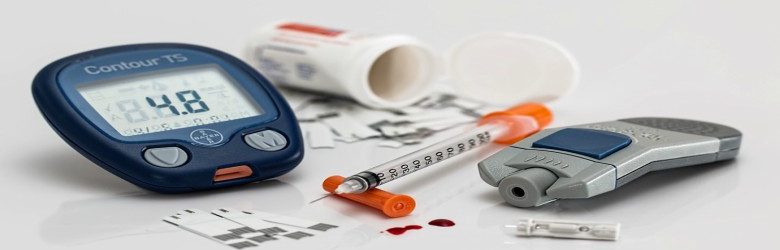
    Type 1 diabetes develops when the insulin-producing cells in the body have been destroyed and the body is unable to produce any insulin. Source: Diabetes.org

    According to Diabetes.org. 10% of all adults with diabetes are diagnosed with Type 1. It is most commonly found before the age of 40, and more likely found in childhood. A healthy diet and regular physical activity is advised to help keep control of your diabetes. Someone who has Type 1 diabetes puts insulin into their bodies either by injections or an insulin pump.

    Type 2

    Type 2 diabetes develops when the insulin-producing cells in the body are unable to produce enough insulin, or when the insulin that is produced does not work properly (known as insulin resistance). Source: Diabetes.org

    Usually, people find out that they have this kind of diabetes over the age of 40. According to Diabetes.org, Type 2 diabetes is becoming more popular with children, adolescents, and people from all ethnic groups. Again, maintaining a healthy diet and completing physical activities is a way of treating this type of diabetes.

    There is also Gestational Diabetes which is known for affecting pregnant women in their third trimester. For more information please click here.

    We spoke to Catherine, aged 47 and Faye, aged 23 about their diagnosis and what it’s like to live with diabetes.

    Catherine’s Story

    I was diagnosed 3 years ago. My pre-diabetic symptoms were water infections and the worst headaches ever. I was gobsmacked when I found out and devastated.

    My tablets made me feel better at first but then they made my body react differently (persistent cough and uncontrollable bowels) so I made small changes to my diet and lifestyle and for good or bad I stopped taking my tablets and feel so much better.

    I haven’t had a day of work in two years nor have I had a water infection since. I only get premenstrual headaches or tiredness ones.

    My mum had diabetes complications, for example, constant diarrhoea led to misuse of Imodium type of medication, which then led to me stopping my Metformin as I believe I was starting to go down that road.

    – Catherine

    Faye’s Story

    Please can you tell us a little bit about your background with diabetes (when you were diagnosed, which type, any symptoms that were a sign before your diagnosis)?

    My diabetes journey began at 7 and a half-years-old. I was thirsty all the time, sleeping loads but still really tired, and lost over 2 stone but not doing anything different! I went to the doctors 6-7 times before they said let’s check your water. When this was checked they sent me straight to Pendlebury Children’s Hospital as my ketone level was off the scale and my blood sugar reading was just as high.

    As soon as I got to hospital they diagnosed me with Type 1 diabetes and put me on a straight insulin drip and I was in hospital for 10 days before they sent me home with my insulin.

    Does diabetes control many things in your life? If yes, are they the same things compared to your childhood?

    I wouldn’t say it controls many things I do as I still do everything all people my age do. Although I would say I just have to be a little bit more careful and cautious. I still drive, go out, have a job and I would say live a normal life. The only thing different to having it as a child to now is my mum had more control of what I ate and more control of doses and sugars.

    How do you feel now in comparison to when you were diagnosed?

    Well as I was diagnosed so young I didn’t really know anything about it and mum and dad just did everything so I have asked them how it felt. In their response, they explained that they had to learn about it quickly as neither of them had any knowledge of it, they were both worried and concerned about me and my life and how it would affect my life in the future.

    Now I suppose I just take it in my stride. I have good days and I have really bad days but it is what it is. I count myself lucky that I’m still here and not suffering. Whereas, there are so many other people with different ailments.

    Is there anything you would recommend to others who are hearing the news that they’re diabetic for the first time?

    If you would like more information or advice please visit the Diabetes.org website.

    Thank you to Catherine and Faye for sharing their story of life with diabetes. If you would like to share your story on Disabled Living’s blog, please visit in touch via email: info@disabledliving.co.uk

  • Seating and Posture with Phil Moore

    Seating and Posture with Phil Moore

    This post has been written by Deborah Bell, Enablement team manager at Disabled Living. Our latest Lunch and Learn session was full to the brim. Therapists from all over Manchester attended the Seating and Posture session.

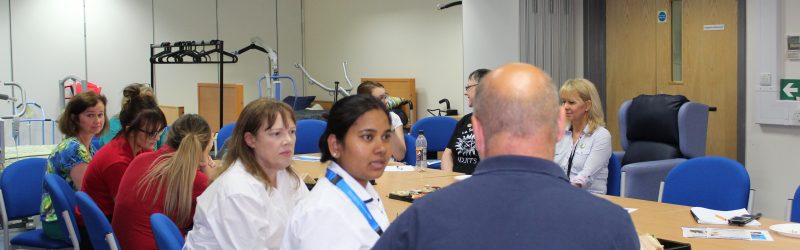
    17 therapists at our Disabled Living Training room were joined by Phil Moore. He talked about the importance of seating. In his discussion of seating in the past, he developed his presentation taking us into the relevant and accurate assessment of our clients.

    We learnt that this enables them to have the best chair for their purpose.Phil Moore delivering Lunch and Learn

    Phil seemed concerned about people over prescribing. But the reasons for that may be a whole other blog topic around positive risk taking and legislation. Elaborating on this, he shared his experiences of assessing people who had poor posture due to the direction their chair was in.

    People will always position their posture due to the thing most focused on whether it’s the TV, a conversation with someone, or looking out of a window, without moving their chair. This can then lead to the person sitting asymmetrical for no good reason.

    The group was very interactive and included a discussion where we asked Phil questions about issues he had come across. We also had an interesting discussion around seating and dementia. This could have carried on for a couple of hours if there was more time.

    All in all it was a very interesting two hours which, concluded positively with ideas that small things can often make a huge difference. Not only this but that, the importance of finding the right chair, can help an individual improve their posture in the future.
    Lunch and Learn food

    Phil provided a fantastic lunch of sandwiches, sushi, fruit and doughnuts which was enjoyed by all of us who attended.

    The networking was great and Phil introduced Graham who looks after the Chair Doctor, a service which provides specialist repair and refurbishment of posture, nursing and riser/recliner chairs. This seems like a very useful and popular service in days when we have to look after every penny.

    The Care Team look forward to delivering more sessions and are working closely with Disabled Living. So, stay posted for more information about these events coming soon.

    Keep up to date with our latest news on Twitter @disabledliving.

  • An Afternoon with Wiltshire Farm Foods at Disabled Living

    An Afternoon with Wiltshire Farm Foods at Disabled Living

    On Friday 20 May 2017, our team over at Burrows House enjoyed a dinner by Wiltshire Farm Foods. To begin the event, we were provided with texture modified foods and information about specifications, swallowing precautions, and the different types of purée food. With the purée food in particular, we didn’t really know if it would be so appetising.

    Purée food taster session

    However, the presentation of the food was surprisingly nice, and the taste was tastier than expected.

    There is a fantastic range of purée food. – Angela

    There were a range of dishes to choose from where different volumes of calories can be chosen. For example, there is a choice of mini meals for the evening and large meals for lunch for those who need a certain calorie intake to support their diet. With each mouthful, there’s a big concentration on taste for the Wiltshire Farm Food’s customers.

    Wiltshire Farm Foods Brochure Purée Bakewell Sponge

    As each customer has different needs and requirements, it’s important to cater for all. For those with food allergies, Wiltshire Farm Foods like to make the meals more vibrant so it can look more appealing for the customer.  Also, they have a ‘Nutritious and Delicious’ option where the meals contain less than 400 calories. Alongside this, is the option of foods which include low fat, low salt, and gluten free.

    Non-allergy food option

    Meals with vitamin D and calcium help to keep customer’s bones strong and help to prevent any bone conditions from worsening. Not everybody likes the vitamin chewy option; however, it is important that those who need it do consume it.

    Likewise with the purée food, a person with excellent health can take one look at the food and think it doesn’t look too delicious, but when you think about it from the perspective of a person who has this as their only option for food intake, you realise just how important food is to them in order to keep them healthy.

    Lemon Sponge and Custard

    Key facts about Wiltshire Farm Foods

    • The best selling meal is roast beef
    • 85 years old is the average customer age
    • Main meals start from the price of £2.99
    • Most meals take 8-12 minutes in the microwave or 35 in the oven to cook

    We asked David Barker, who delivered the event, what makes Wiltshire Farm Foods different from other services that offer frozen ready meals?

    We make all of our own meals using fresh ingredients and freeze them quickly to lock in all the nutrition flavour and goodness and then deliver them.

    Wilshire Foods banner

    To see more reasons why you should choose Wiltshire Farm Foods, see what they have to say for themselves.

    Wiltshire Farm Foods deliver their meals between 9.00am and 3.00pm so that it is within hours of daylight.

Disabled Living