
Month: February 2018

  • Celebrate Chinese New Year with Yang Sing Cathay

    Celebrate Chinese New Year with Yang Sing Cathay

    Would you like to win a portion of spring rolls to enjoy at Yang Sing Cathay in the Trafford Centre? As Chinese New Year commences on Friday 16th February, we wanted to let you know of something very exciting! Yang Sing Cathay are teaming up with the Trafford Centre for this annual tradition. They are giving away 150 vouchers for a free portion of spring rolls. These are placed in lucky red envelopes and hidden around the shopping centre. You have three days to be in with the chance of winning. Will you be one of the lucky people who get your hands on the delicious treat?

    The meaning of Chinese New Year

    chinese new year dragon

    Managing Director of Yang Sing Cathay, Kui Man Gerry Yeung OBE, shared his thoughts on Chinese New Year with us:

    Chinese New Year, to me, means family. It’s a time for families to share together.

    And we completely agree with Gerry. There’s nothing better than a family run restaurant who want to bring families together to enjoy the celebration. Especially with staff who offer a vibrant atmosphere for you to enjoy Chinese food. There’s no better way to celebrate Chinese New Year than to head over to the restaurant yourself and try out their tasty dishes.

    We’re extremely proud of Gerry’s achievements and are honoured to have him as our President of Disabled Living and High Sheriff of Greater Manchester.

    A successful adventure of 20 years
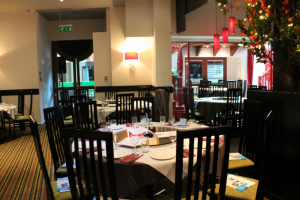
    yang sing cathay dining

    This year Yang Sing Cathay are celebrating an amazing 20 years. Over these years, the restaurant has become an integral part of the Trafford Centre.

    1998 wasn’t the beginning of their success. The Yang Sing group commenced business in 1977 in Manchester’s famous China Town. Their first restaurant on Princess Street celebrated their 40th birthday last year.

    From sizzling steak dishes to vegetarian and vegan courses, there’s something for everyone. Take a look at the full menu. Whether you attend for a casual lunch, relaxed dinner, or group party, the modern oriental atmosphere will leave you wanting to return for more food!

    Fun fact: This year is the ‘Year of the Dog’. If you were born in 1958 or 2018, you are known as the Earth Dog. This means, you are usually recognised for being communicative, serious, and responsible in the workplace. View source here.

    T&Cs for the red envelopes

    red envelope chinese new year

    1. The vouchers are valid on 15th – 17th February 2018 only
    2. If the free portion of spring rolls is to be claimed without any additional purchase, it will be served as a bar snack
    3. A choice of Pork or Vegetable Spring Rolls is available
    4. Portion size is two spring rolls

    More information about Chinese New Year celebrations can be found by visiting the Trafford Centre’s website.

    Follow Yang Sing Cathay on Facebook, Twitter, and Instagram to see more of their success and offers we’re sure you’ll be tempted to enjoy.

  • Kath’s Experience of Almost 4 Years Working on a NICE Guideline

    Kath’s Experience of Almost 4 Years Working on a NICE Guideline

    This post explores Kath’s experience of working on a National Institute for Health and Care Excellence (NICE) Guideline. Her journey began almost 4 years ago. This is when Kath became a Lay Committee Member on transitions from hospital to home for people with social care needs.

    It was very interesting to see that despite us all coming from such different backgrounds (professionally and personally), we all agreed that things needed to change, and the person always needed to be at the centre of the decisions made about their lives.

    As well as my own experiences of having multiple impairments and high support needs, I believe my work as an advocate for people with complex impairment related difficulties stood me in very good stead. i was able to make practical, common sense suggestions of possible ways to resolve difficult issues. The work was very rewarding, as I could raise issues that may not have been considered had I not been there. I was also able to suggest ways that would strongly benefit the individual and their caregivers, whilst ensuring that staff were supported to carry out their work in an integrated and coordinated way, and without unnecessary delays.

    It is challenging but ‘well worth the final result’

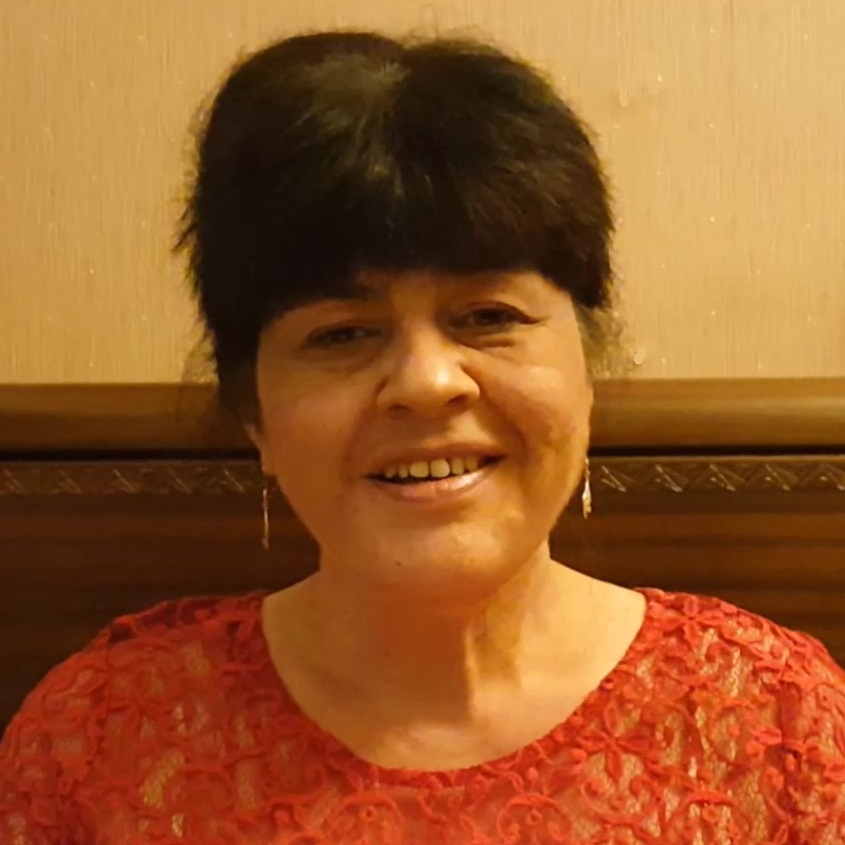
    NICE kath photo

    I have to admit the work on a guideline committee is exceptionally challenging, simply due to the amount of papers that need to be reviewed. But, it is well worth the final result! The production of essential guidelines and standards for health and social care, which is substantially strengthened by the voice of lay members (including disabled people, people with long term health conditions and carers) is priceless.

    In fact, I found the work so rewarding that I went on to join my second NICE Guideline Committee, which focused on Intermediate Care including Reablement. Again, this was something close to my heart as effective intermediate care services ensure that people are supported to learn safe strategies to regain their confidence in performing daily living tasks. In this way, they can remain in their own homes, if they wish to do so. This is vital when it prevents unwanted placements in residential homes and could be responsible to keeping people in hospital unnecessarily. And most importantly, it is far less distressing and disempowering for the individual and their families.

    Gaining a better understanding of practical ways

    I believe that I benefited personally from the work on the guidelines, as I gained a much better understanding of the practical ways in which health and social care systems worked.  However, I have also been able to support many people to gain access to appropriate and timely intermediate care services, which has made a massive difference to the quality of their lives and the long-term impact of their impairment.

    I was therefore delighted to be asked to assist in the shaping the Quick Guide for the guideline. It provides you with plain English information about the types of service available, the stages of intermediate care and the professionals who may be involved in providing care. It is designed to give anyone who may need to access intermediate care services the information they need to make an informed decision about whether intermediate care is right for them. In this way, more people know about the value of intermediate care services and how to access them appropriately.

    And as intermediate care can make a massive difference to people’s lives, if it is implemented in a co-produced way with the individual, why wouldn’t you want to know about it?

    Learn more about Public Involvement at NICE and follow NICEGetInvolved on Twitter.

Disabled Living