Tag: disabilty

  • Care Available for Disabled People

    Care Available for Disabled People

    This is a sponsored post by Country Cousins for Disabled Living’s blog about care for disabled people.

    Sometimes, having a disability can sometimes be very limiting and make day to day tasks difficult to complete. Fortunately, there are a number of care options that you can take advantage of to make your life easier to manage. Allowing you to start enjoying the little things in life and enjoy spending time with loved ones.

    In this guide we’re going to take you through some of the best options that are available to you. Hopefully then you can decide around what care you would like to take advantage of, allowing you to make the most of your life.

    Live-in Care

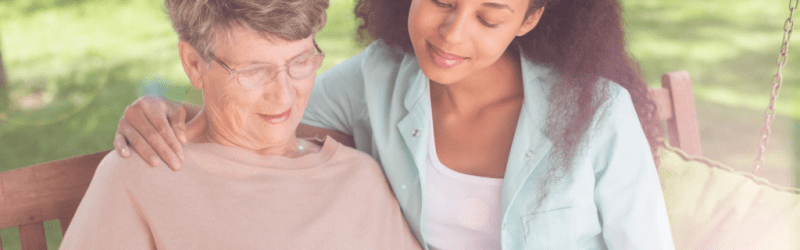
    Live-in care is one of the most popular forms of care amongst the elderly and disabled community. This is mainly due to the fact you get to stay in your own home amongst all the home comforts you’re used to. A carer will come round to your home and do as little or as much as you would like. We spoke to live-in care experts Country Cousins and they told us their top benefits of live-in care:

    • You can stay in your environment and choose how your house looks and how it’s decorated. It’s your space so you control it.
    • If you still like your independence, then you can make the most of having time to yourself in your home.
    • Routines are incredibly import and if you have your own routine you can stick to it. This includes things like wake up times, meal times and when you head out to the shops. You can stay active and keep your routines.
    • Your family can visit whenever you like and don’t have to stick to a schedule.
    • The care is tailor made depending on the individual and you get your own personal support. If you’re just wanting a chat and a coffee, they are there to do just that.
    • If you have a pet, you can keep them because you’re in your own home so the rules are your rules.

    Living with Family

    One option available is living with family if they have the capacity to care for you. When living with family, you are around people you’re comfortable with and they can help you as much or as little as you need. This can be anything from going to the shops for the basics or for days out and trips where you may need a little bit of help. Here are some of the benefits of living with your family:

    • You will still maintain some form of independence even though you are amongst your family.
    • The costs will be a lot lower because all you’ll need to pay for is upkeep and costs for things like bills and food shops. Care can sometimes be seen as quite expensive.
    • The people providing the care and assistance you need are people you know, love and trust so you can fully relax.

    Supported Living Services

    Supported living services are there to provide you with care if you don’t want to live in a care home but struggle to live independently at home. They’re a combo of live-in care and care homes where you get your own space to live with some help with basic tasks like cooking and washing.

    Some supported living accommodation can house around 2-3 people who may have similar health issues or particular disability. Staff will visit the home to help you with anything from getting out of bed to getting ready to go out or go to work and complete household tasks for you. You can find out more about supported living services on the NHS website.

    Hopefully, you’re able to find care that’s right for you and gives you everything you need. If you need any more help or advice, then feel free to get in touch with us and we’ll see how we can help you.


    If you would like information and advice on products or services for a disabled person you care for, please contact our Disabled Living helpline on 0161 214 4590.

  • New Micro WashPod Will Help People Stay Safe at Home

    New Micro WashPod Will Help People Stay Safe at Home

    This is a guest blog by WashPod who feature in Disabled Living’s Supplier Directory.

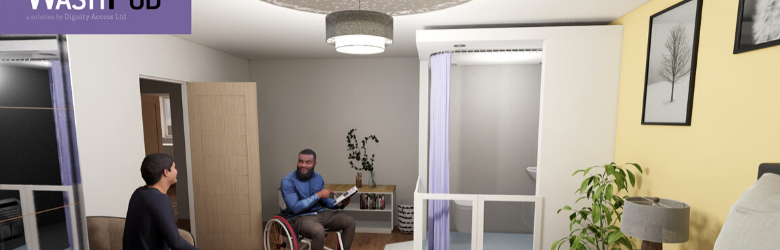
    The new Micro WashPod mobile, disabled wetroom has been launched as the smallest to join the range of WashPod models that offer bathing solutions to hire for those who have mobility issues but wish to stay in their own home, be they elderly or disabled.

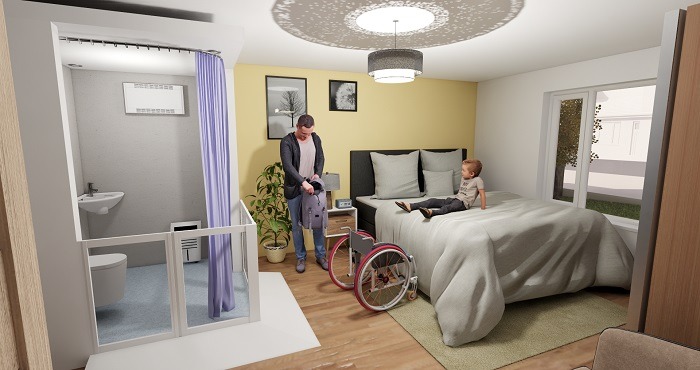
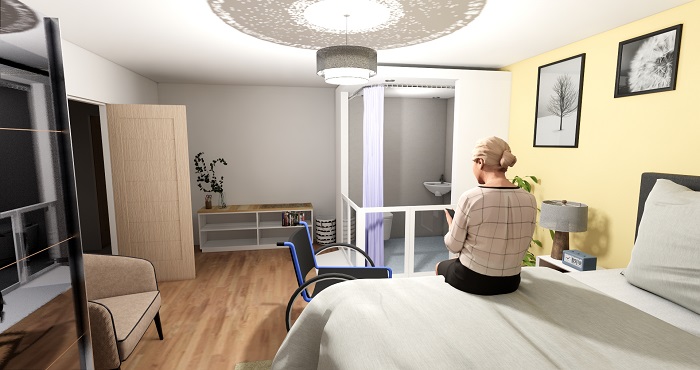
    The Micro WashPod is a unique solution to bathing and has been specially designed for limited spaces, fitting internally into a reception room or bedroom. It’s fabulously quick to install and can be fitted in less than a day. It will be the answer for many people needing at-home, disabled bathing where space is at a premium and where extra room for carers, hoists and trollies may not be needed.

    Benefits include:

    • Absolute minimum space required
    • Versatile and quick to install (less than a day)
    • Plug and play, no need for existing plumbing connections
    • Minimum disruption
    • Hired or bought direct or through our distributors

    The Micro WashPod has great versatility. By adding a platform, the Micro WashPod can gain a wheelchair turning circle. With tight installations, the ramp can also be removed on one side to give extra space. In addition, the panels can be configured to accommodate different orientations.

    parent and child using micro washpod

    Notes

    If access to the bathroom is now impossible, the WashPod range of disabled washrooms is the perfect interim solution saving the option of prolonged hospital care or an early move to an expensive care home. There is nothing like it on the market.

    In addition to the Micro, there is a standard External WashPod that can be installed in the garden or on a patio and two other internal models – the Standard and the Mini – that can be erected in a spare reception room or garage.

    Additional applications are numerous from Housing Associations and Local Authorities who may wish to buy them and lease them out to residents as needed, or hospitals during building works, and commercial enterprises wishing to provide accessible washrooms.

    The WashPods are plug ‘n play and fully fitted to comply with the highest specification of part M of the building regulations. They have been devised by architects who specialise in the designing for disability and endorsed by occupational therapists and case managers.

    Typical facilities include accessible shower facility, basin and WC. External units include underfloor heating. Hoisting for transfer purposes can also be provided where needed.

    Both internal (with a mini version too) and external options give a disabled person dignity until more suitable arrangements can be made, without significant disruption and stress to the family home.

    External Washpods are usually erected within 2 to 3 days and can include a covered link to an external patio or back door. Internal Washpods can take only a day to install. The units are constructed off site and re-assembled in the home by an expert team.

    woman using micro washpod

    Benefits

    • Out of hospital faster (thus releasing a hospital bed)
    • Immediate return to (or ability to remain in) family/familiar surrounding
    • No permanent alteration to the property
    • Pods can be removed easily and the property reinstated very quickly
    • Short period from order to installation
    • Independence and dignity for user
    • No reduction in house value
    • Minimum disruption
    • Fraction of the cost compared to care home provision.

    The WashPod range is being manufactured and marketed by Dignity Access which is a sister company to Cowan Architects, specialists in disability adaptations and inclusive living design.

    More information

    For more information, please contact Joanna Sale in Marketing, on 07717 425694, email: joannasale@cowan-architects.co.uk or visit the Dignity Access website.


    Did you know… Disabled Living are featured in the Top 10 UK Disability Blogs? For the chance to have your news/story published on our blog please send an email to: info@disabledliving.co.uk

  • The Many Causes of Erbs Palsy and How it Effects Life

    The Many Causes of Erbs Palsy and How it Effects Life

    This is a sponsored post for Disabled Living by Lavelle Partners about how Erbs Palsy is caused, how it can be treated, and how it may affect an individual’s life.

    Erbs Palsy is a disability which affects the nerves and muscles in the neck, shoulder, and arms. This disability isn’t caused by any type of disease or birth defect. In fact, it’s usually caused by a traumatic injury of some kind, either during birth or later in life.

    In some cases, medical negligence can be to blame. For example, compensation for delayed diagnosis of a medical condition, like Erbs Palsy, can be claimed as this might exacerbate the injury, meaning treatment becomes less effective. What’s more, if the doctors or midwives pull the baby too hard during birth, this can also cause Erbs Palsy too.

    As always, education on disabilities is paramount to avoid judgement, and ensure everyone accepts one another for who they are. It’s also a great way for those with disabilities to realise that they truly aren’t alone. So, to discover more about the causes, symptoms, treatments, and effects of Erbs Palsy, don’t go anywhere…

    What is Erbs Palsy?

    Erbs Palsy is a type of paralysis or weakness in the muscles of the arms. In most cases, this will occur to one of the arms due to a stretched or severed nerve in the neck. There are four different types of Erbs Palsy, which we’ll go into a little more detail with here:

    1. Neuropraxia: this is the most common type of nerve injury. In these cases, the nerve is simply pulled or stretched, so is only a temporary problem. Usually, this sort of palsy will heal after around three months.
    2. Neuroma: this is a little more serious than Neuropraxia, and is when the nerve is stretched so much that some of the fibres break. Due to the scar tissue that forms when these types of breaks heal, the nerve can cause discomfort. These sorts of injuries never really fully recover back to normal.
    3. Rupture: this type of Palsy is a little more than a stretch, and occurs when the nerve is torn in half. This will not heal on its own, and requires surgery to splice the nerve back together. Without this, the arm will be paralysed inevitably.
    4. Avulsions: finally, the last type of nerve injury, and the most serious of them all, occurs when the nerve is torn completely away from the spinal cord. In some cases, the nerves within the diaphragm can be affected, which could cause difficulty breathing. What’s more, the face could also be affected, causing Horner’s Syndrome; where the eyelid droops or the pupil of the affected eye is smaller than the other.

    Symptoms of Erbs Palsy

    Depending on the severity of the Palsy, symptoms will vary. However, here are some of the classic symptoms of all types of Erbs Palsy, which indicates when a child is born with it:

    • The arm hangs by the side of the body, and rotates inwards;
    • The arm is weak, and grip strength is limited too;
    • The development of the circulatory system, nervous system, and muscles may be restricted;
    • There is limited motion in the shoulder, down the arm, or in the wrist;
    • The arm is numb;
    • Or, the arm could be partially or completely paralysed.

    close up of baby with hand in the air

    What Causes Erbs Palsy?

    Although Erbs Palsy is most commonly heard of during infant childbirth, there are actually a huge number of reasons why Erbs Palsy could occur…

    Delayed Diagnosis

    Erbs Palsy will not be caused by any medical condition, however, the delayed diagnosis of Erbs Palsy could mean that treatment becomes less effective. For example, if surgery is delayed in the case of Rupture or Avulsion due to a late Erbs palsy diagnosis, it may be too late to fix. This will mean that the victim’s life will completely alter.

    Pregnancy Injury

    Although there is no genetic reason why someone might develop Erbs Palsy in the womb, the position of the baby during pregnancy could cause it. For example, if the baby’s head is positioned in the birth canal, and the baby has wider shoulders, their shoulder can become restricted by the mother’s pelvic bone.

    The closer birth comes, and the more comfortable the baby becomes, the lower the baby’s head will push into the birth canal. Because of this, the nerves between the neck and shoulders will stretch, so the baby may be born with Erbs Palsy. This is called shoulder dystocia.

    Birth Injury

    If shoulder dystocia occurs before the birth, the risk of birthing an Erbs Palsy baby nearly triples! Then, the excessive pulling of the child being born, due to the shoulder being stuck, could exacerbate the problem.

    This can also occur in other cases; not just those where the shoulder becomes stuck. For example, in a feet-first delivery, the baby may leave the womb with its arms raised above their head. This pressure can also cause Erbs Palsy.

    In both these cases, the birthing requires more pulling than usual, which can put a real strain on the nerves. Some of the risk factors which could cause Erbs Palsy in a baby from birth injury could include:

    • A large infant
    • A small mother
    • Small or abnormal pelvis shape in the mother
    • If the mother is obese or diabetic
    • If the delivery requires extraction tools
    • Medical negligence during birth
    • If the second part of labour lasts over one hour

    Traumatic Accident Later in Life

    Finally, Erbs Palsy in adults could also be caused by a traumatic accident later on in life. For example, a car accident might cause the severing or stretching of a nerve on impact, or when emergency services attempt to remove you from the vehicle. In essence, any accident that might cause excessive pulling on the nerves in your neck, shoulder, or arm could lead to Erbs Palsy.

    wheel on a bike

    How Does Erbs Palsy Effect Your Life?

    As we’ve seen, this type of injury can have a lasting impact on someone’s life. Particularly if it becomes a permanent paralysis, it may limit the activities or jobs a person can partake in. Some of these limitations or life issues could include:

    • Can stop you from playing certain sports: because of the paralysis in the arm, Erbs Palsy could stop someone from being able to play games requiring the arms. For example, Netball, Cheerleading, and Golf may be among some of these sports.
    • Could affect your career prospects: if a job requires your arm strength to perform well, for example an art, craft, or sport, Erbs Palsy may limit you. That said, most careers out there are completely doable with this type of paralysis, so most prospects will remain intact.
    • Social implications: growing up with Erbs Palsy may affect your social life. Children can be nasty, and being a little different could affect a child growing up. So, it’s important for parents to teach their children, through articles like this, to accept children with minor differences, like this.

    What’s important the bear in mind is that these limitations can most certainly be challenged. Yes, Erbs Palsy will no doubt make it more difficult for a person to get to grips with any hands-on activity. That said, sporting activities can absolutely be mastered through the use of one hand.

    What’s more, if the social implications of having Erbs Palsy get in the way, this is a great way to find friends who accept you for you. Through this tiny difference, you’ll automatically be able to remove judgemental people from your life instantaneously.

    Can Erb’s Palsy be Cured?

    There are a huge number of potential treatment options for Erbs Palsy, including different types of therapy, and even Neuromuscular Electrical Stimulation. That said, these Erbs palsy treatment options are the three most common forms:

    No Treatment

    As we’ve seen, in cases where the nerve is simply stretched, and not severed, it’s likely that the wound will heal on its own. This requires no treatment at all – simply rest and recuperation. So, after a matter of weeks or months, the individual can resume life as normal.

    Therapy

    In cases where the nerve has scarred, we’ve seen that this can become uncomfortable for the individual. The scar tissue around the nerve can make movement a little harder than it would be for someone without this issue. Therefore, physical therapy can be used to strengthen the nerves and muscles, and help the body get used to these feelings.

    Surgery

    In cases where the nerve has been completely torn, it is possible for it to be spliced back together. What’s more, when the nerve is ripped from the spinal cord, this can also sometimes be saved using surgery too. When an avulsion occurs, the torn nerve cannot be replaced, but healthy nerves can be taken from another part of the body to replace it.
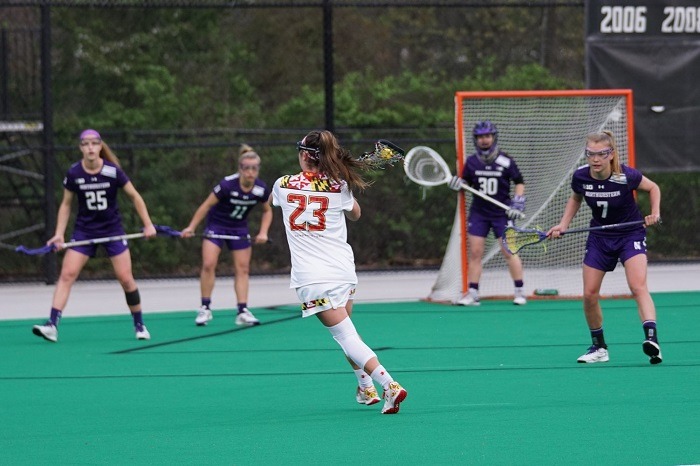
    people playing sport

    Need Some Support?

    As you can see, Erbs Palsy can be caused by a number of injuries, and there are a number of potential cures. What’s more, despite the potential limitations of this injury, it is completely possible to achieve anything. Yes, it may be a little trickier, but it’s all in the mind.

    Have you learnt something new about Erbs Palsy through reading this article? Or, perhaps you have Erbs Palsy yourself, and have a story about how you have overcome any difficulties? Please do share your thoughts, in the comments below, and let’s share our support.
  • Supporting Your Disabled Colleagues in the Workplace and During Covid-19

    Supporting Your Disabled Colleagues in the Workplace and During Covid-19

    Sponsored post sent to Disabled Living by Minton Morrill.

    This blog article will take you through some of the ways you can support your disabled colleagues in the workplace and through the current Covid-19 pandemic.

    Whether it be a congenital disability from birth, something that’s been brought on by a spinal injury, or a condition that’s developed over time, disabilities are important to learn about. Here are some tips for ways you can make your workplace more inclusive…

    Top Tips for Supporting Your Disabled Colleagues in the Workplace

    1. Educate Yourself

    First and foremost, educating yourself is key. This can come from trying to learn more about the condition your co-worker has. You could do this through online research, or simply by asking them questions.

    Just be mindful when doing so; I’m sure your disabled co-worker will be happy to answer your questions, but don’t fixate on it. Once you’ve asked your questions, move on to something you’d discuss with any other colleague.

    2. Explain Things That May Seem Obvious

    When it comes to co-workers with additional needs, like autism, it may take them a little longer to get to grips with their new surroundings. So, anything that may seem obvious to you, like where to put your lunch, or where to keep your mug, may not be clear to others. To tackle this, when giving the office tour, be sure to show your new colleague everything there is to see along the way.

    3. Speak Up for Your Colleague

    If you notice any discrimination within the workplace, including bullying or exclusion, making sure to speak up is so important. You should also report this to your line manager.

    4. Be Aware of the Language and Terminology You Use

    The language you use to interact with or discuss disabled people must be taken into consideration, to ensure inclusivity. Some important ways to talk about or address your disabled colleagues inside and out of work could include:

    • Mention the person first, and the disability second, e.g. Maria, who is blind.
    • Negative words should be avoided, for example ‘afflicted’, ‘ailment’, ‘bound’, and ‘confined’.
    • Talk about ‘disabled people’, not ‘the disabled’, as people with disabilities are individuals, and shouldn’t be lumped under this collective term.
    • Don’t patronise the individual.

    5. Don’t be Afraid to Offer Assistance

    If you can see your disabled co-worker struggling with something, be it work related or general accessibility, don’t be afraid to help. Just make sure to ask if they need your help in the first place, so you can make sure it isn’t unwanted. It may take them a little longer to do things, but that doesn’t mean they can’t do it. With this in mind, don’t rush your colleague with anything they do.

    6. Make Out of Hours Time Accessible

    Wanting to get everyone together to do an out-of-work activity? Then and try and ensure wherever you’re going is accessible. This is a thoughtful way to let your disabled colleagues know that you want them involved. By thinking that extra little bit about where you go for lunch, drinks, or activities after work, this is not only inclusive, but kind too.

    7. Communicate

    Open communication is the key to any relationship, and this is especially poignant with your disabled friends and colleagues. If you have any questions, ask them. If you’re wondering what’s holding them up with a certain piece of work, mention it.

    How Can You Provide Extra Support for Disabled Colleagues During COVID-19

    hand comforting a young woman

    Covid-19 has put a real spanner in the works for many people, especially for disabled people, who have been advised to remain housebound, just like the elderly. In many cases, your co-workers may also be your friends. With this in mind, we all want to do everything we can to support one another through these times. So, how can you go that extra mile for your disabled colleagues and friends?

    Physical Support for Disabled Co-Workers

    Disabled people can be more at risk than others, so may need more help around the house. What’s more, if their usual support network, for example parents, friends or carers, cannot leave their own homes, they may require a bit of extra support. Some great ways you could help your disabled co-workers during lockdown could include:

    • Offering to collect their groceries for them;
    • Seeing if they need any help with accessing medical care and/or medication;
    • Picking up protective equipment, like masks, soap, and hand sanitiser;

    In all these cases, it’s important that you make sure to follow government guidelines on social interaction. This always includes taking precautions to avoid contact with the person and remaining two metres apart. So, to tackle this, make sure to pass groceries, medication etc. without touching one another.

    Mental Support for Disabled Colleagues

    Supporting one another mentally should also be a priority, whether your friends and colleagues are disabled or not. As humans, we are so used to making social contact with people day in and day out. Ensuring to remain in contact with all your colleagues is so important. Whether it be by text message, email, or video chat, picking up the phone or laptop for a chat here and there certainly won’t go amiss.

    Do you have any tips and advice you’d like to share for supporting your disabled colleagues? Send your comments further below or follow.

  • How Dance Group AwA (Atypical with Attitude) Break Down Barriers

    How Dance Group AwA (Atypical with Attitude) Break Down Barriers

    AwA are ambassadors of the SEND community. Through the power of dance, AwA aims to break down barriers to inclusivity and integration, changing perceptions and stereotypes with the goal to change the way the world looks at disability. Through hard work, discipline, perseverance and dedication, the AwA dance team has improved the lives and opportunities for many living with challenges. The core ethos of our dance team is having the right attitude toward life. Stereotypes and perceptions will only be broken and changed through hard work and diligence. As pioneers within the dance community, AwA has proven time and time again that those who live with disabilities and challenges are more than capable of achieving the same as their mainstream counterparts.

    When the dance team was first made we made a core decision that would affect and influence everything that we do. Without working just as hard as our mainstream counterparts, we would never change the way people view disabilities and truly see what we are capable of. Every time we perform on the stage, no matter the size or arena, hours and hours of endless hard work and dedication has taken place.

    Through this ethos and methodology, AwA created a unique and inspiring team that went on to achieve many milestones for the SEND community. AwA appeared on the BBC’s The Greatest Dancer which reached the views of millions of people around the world, pushing the agenda that we are capable of much more than the world tells us. AwA were the first special needs team to ever qualify and compete at the UDO European Championships in 2018, representing the UK. Not only did we break down barriers to integration and inclusivity, we also ranked 2nd overall in our category making huge history as the first ever SEN team to do so.

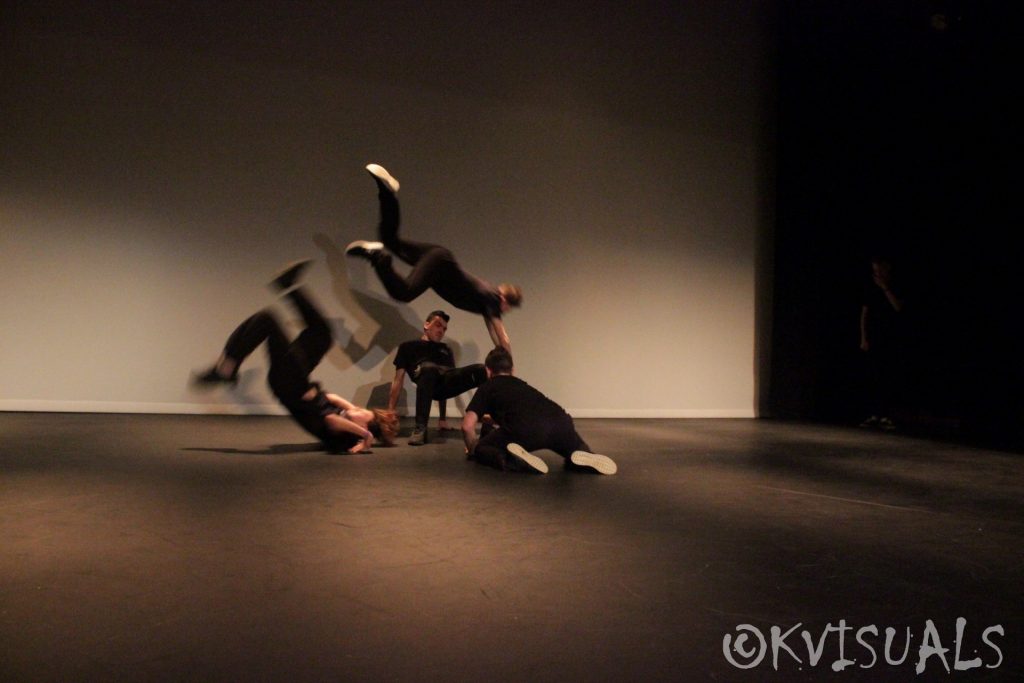
    AwA dance group performance

    A year later we were the first special needs team to ever qualify and compete at the UDO World Championships in 2019, representing the UK and ranking 3rd overall in our category. As a result of our achievements we were blessed and privileged enough to appear on many different news platforms to continue spreading our message. Platforms such as BBC, London Live, Sky and Channel 5.

    A member of AwA states how being a part of the dance group has changed their life:

    I used to be ashamed of my autism. I used to think it was a detriment to myself and those around me. The world taught me that there was something wrong with me, that I was broken and needed to be fixed. I couldn’t understand why I was being told that “who I was” was wrong. When I joined AwA, everything changed. My autism turned into my superpower!

    Everywhere we went, every performance we attended and arena we participated in, people were inspired and amazed to see us do the same things as everyone else. I could see it in their eyes, their perceptions of the ability of those with “disabilities”, was shattered and rearranged within 4 minutes of watching us dance. That feeling empowered me so much. It gave me the fire and strength to continue on the path we were on and work even harder. If I didn’t have autism, I wouldn’t be in this amazing family of friends that I call my team. I used to be ashamed of my autism, now I am proud of it.

    Within the mainstream dance community in the UK, AwA is now widely recognised. We are regularly invited to perform and participate in many mainstream dominated environments as ambassadors of the SEND community. Also, we have hosted our own inclusive fundraisers to give platforms and opportunities to other members of the SEND community. Our other achievements include performing at the national school games summit, winning the first ever Para Dance in 2019. For two years in a row we have been granted mainstage performances at Move It exhibition, the UK’s largest dance exhibition as well as opened the Dance Awards UK show on behalf of DejaVu entertainment. We have also been invited to perform overseas such as the Best Buddies Conference in Indiana USA in 2019.

    AwA has and will continue to maintain a professional approach towards the art of dance and challenging perceptions. We are open to all, include all and accommodate anyone and everyone. Our doors will always be open to others who wish to join our mission and spread the message of inclusivity and integration. We pride ourselves on equality and humility in everything that we do.

    For more information on AwA, visit their Facebook page to keep up to date with their latest dance routines and achievements: https://www.facebook.com/atypicalwithattitude/


    If you or someone you know has autism and would benefit from using a sensory room, then please contact Redbank House. Alternatively, if you have a disability and are looking to receive some advice about services or equipment, contact Disabled Living today!

Disabled Living