Tag: Disability

  • Accessible Christmas Gift Guide

    Accessible Christmas Gift Guide

    Are you looking for last minute Christmas gifts? Then look no further. Our accessible Christmas gift guide has a range of fun and useful products, making them the perfect stocking filler or main gift for your loved one. Whether you are looking for an easy-to-read pack of playing cards or a fun sensory item, we have compiled a list of some of our favourite Christmas gift ideas.

    Large Print Playing Cards Bridge Set

    This set contains red and blue backed Large Print Playing Cards. The large print means that they are easy to read, making them great for those with visual impairments. Despite the large print, the cards remain normal playing card size. These are ideal for a game of bridge around Christmas!

    large print playing cards

    Price: £1.50

    High Vision LED Table Lamp

    This High Vision LED Table Lamp is sleek, elegant and contemporary. It’s fitted with a long life, energy saving bulb that lasts up to 15,000 hours. The lamp itself generates over 400 lumens of light with a colour temperature that’s equal to that of noon daylight. This helps to boost concentration and minimise the risk of eyestrain and headaches. It comes with an adjustable goose-neck and a three-stage dimmer with touch control. This is a great gift for a book worm or someone that requires extra lighting!

    LED Lamp

    Price: £29.89

    Ring Pen

    This ergonomic Ring Pen not only looks great, but is ideal for adults who suffer from Arthritis, Carpal Tunnel Syndrome, Repetitive Stress Syndrome, or anyone that needs to alleviate pressure from holding a pen. The pen provides rigid support to the index finger, which greatly reduces stress on the fingers and wrist. It is available in three sizes and can be used with almost any type of pencil, pen or paint brush. This is the perfect stocking filler for the creatives amongst you!

    Ring pen

    Price: £16.31

    The Nature Sounds Pyramid

    The Nature Sounds Pyramid provides a relaxing environment through producing a variety of colours. It is perfect for those that are afraid of the dark, since the light gives of a subtle glow which has a calming effect. It also plays a range of soothing sounds, further aiding the relaxing and calming effect on the user. This gift provides the perfect relief for users who suffer from Tinnitus, night terrors and more.

    Nature Sound Pyramid

    Price: £13.69

    Aroma Dough Block – tub of 6

    This Aroma Dough Block set contains six different smells and colours. It’s created for individuals who learn and play through sensory stimulation. It is soft, flexible and easy to mould into various shapes and sizes, making it a great present to encourage creativity! The scents include Eucalyptus, Peppermint, Lemon, Lime, Bergamot and Lavender and are packed into six airtight tubs.

    Aroma Dough Block

    Price: £31.45

    Big Digit Talking Watch

    This stylish Big Digit Talking Digital Watch not only looks great, but is practical too. Due to the large LCD screen, the time is easy read and there is also a setting that gives a clear voice announcement of the date and time. This product is perfect for assisting those with limited sight! Settings also include alarms which can be used for medication reminders, a stopwatch, an hourly spoken time update and extra large liquid crystal display.

    big digit watch

    Price: £7.29

    If you would like some advice on any of the products listed on our online shop, then please contact us today. We are happy to advise you on any questions you may have to help you find a product that suits your needs.

  • How to Keep Warm and Healthy This Winter with a Disability

    How to Keep Warm and Healthy This Winter with a Disability

    This post has been written by Aimee Knight on behalf of Willowbrook Mobility Direct who feature in our Disabled Living Supplier Directory. If you have a disability, you could be more prone to illness, especially in the winter months. Therefore, it’s so important to stay warm and healthy when the colder weather sets in.

    Keeping your home warm is paramount in the winter months.

    Firstly, it is essential to get your boiler fully serviced before the cold weather sets in. This will ensure that it won’t stop working when you need it the most!

    Once you are certain that it is in order, it’s worth setting your heating to a timer to ensure that your living room will be the perfect temperature all day and that your bedroom will be heated in time for when you go to bed.

    If you have limited mobility, we recommend keeping your living room temperature at around 21°, and your bedroom temperature to at least 18°. This will help to prevent common illnesses such as colds.

    Have you ever considered the fact that upgrading your living room chair could keep you warmer throughout the winter months?

    Riser recliners are the perfect addition to any home for many reasons, particularly during the colder months. Firstly, keeping your feet raised can help to keep you warm. This is because the air is cooler at ground level, and thus the more they’re raised, the warmer they will be!

    As well as this, most riser recliners, including ones from Willowbrook Mobility are manufactured with the option of an in-built heat and massage system. This is perfect for those who have limited mobility and tend to sit in the same position for long periods. Not only will the heat warm you up, but the massage system can help to improve your circulation too, giving you that extra warmth!

    Want to find out more about how our riser recliners can help to keep you warm this winter? Click here to request your free brochure today!

    Once you have taken the steps to keep your home warm, it’s time to take the steps needed to keep yourself warm too.

    Of course, during the winter months, it is important to only leave your home if it’s completely necessary and not too cold, particularly if you already suffer from a health condition. If you do have to leave your home, it is important to ensure that you take extra precautions to keep warm.

    Layering up your clothing is proven to be much more beneficial than wearing one thick jumper. This is because thin materials such as wool, cotton, and fleece help to maintain body heat. However, getting one layer of clothing on your body can be strenuous if you are a wheelchair or a mobility scooter user. Therefore, we recommend wearing thermal clothing underneath your every-day clothes to preserve your body’s heat.

    A vast proportion of heat leaves your body through your neck and head, therefore wearing a hat and a scarf is extremely important too. This is a great way to keep warm if you’re feeling chilly in the house too!

    It is also worth investing in a hot water bottle or an electric blanket to help to keep you cosy in bed. However, you should never use both at the same time – this can cause electrocution!

    Not only is it important to stay warm in the winter months, of course, it’s important to stay healthy too!

    As per any time of the year, it’s important to ensure you continue to eat a healthy, balanced diet, particularly in the cold months. One hot meal per day and plenty of hot drinks can help you to keep warm as well!

    Immobility can make you more vulnerable to infection, so we recommend that you still exercise as much as you possibly can. Even if this means just getting up to stretch your legs or turning on some music participating in some chair-based exercises to keep your blood flowing.

    A form of exercise that is recommended if you have a disability is swimming. Not only is it a great cardiovascular work-out, submerging into water over 30C makes it easier for your blood to circulate too! Your muscles are relaxed, pressure is alleviated from joints and muscles and pain can temporarily be relieved.

    Learn more about Willowbrook Mobility Direct in our Supplier Directory.

  • David Completes an Incredible 30 Wheelchair Marathons in 30 Days

    David Completes an Incredible 30 Wheelchair Marathons in 30 Days

    Three times HBSA Disabled Sportsperson of the year David Williamson has completed an incredible 30 wheelchair marathons in 30 days. This is something which has never been achieved before.

    David from Petersfield (40) who works for car finance company Moneybarn, had both legs amputated through the knee when he was a few months old, having been born without tibia bones. As well as pushing marathons and being a five-time participant in the Great South Run, David has also completed a 24-hour wheelchair push. He has also played over 300 games for South Hants Sitting Volleyball. In 2016 he was the recipient of the 2016 #wecandoit Personal Achievement Award.

    Since 14th June 2019 David has been pushing a marathon a day, back-to-back with no rest days!

    Using athletics tracks in the South East of England and then down on the sea front at Southsea, David completed his 30th, and final marathon, at Stoke Mandeville Stadium in Aylesbury, Buckinghamshire on Saturday, 13th July. This coincided with the LimbPower MoJo MaraFun Day.

    All funds raised from the 30 in 30 challenge will be split equally between:

    • LimbPower – launched in November 2009, engaging amputees and individuals with limb impairments in physical activity, sport and the arts to improve quality of life and aid lifelong rehabilitation. In July 2014 LimbPower became a National Disability Sports Organisation and working with the Activity Alliance and Sport England, helps amputees and people with limb impairment reach their sporting potential as well as providing support and resources for families and healthcare professionals.

    “What David has achieved with his 30 in 30 challenge is beyond words,” said LimbPower CEO Kiera Roche. “Not only has he raised an amazing amount of money which will enable us to continue our work. But he has also raised awareness of disability sport by taking the dis out of disability.”

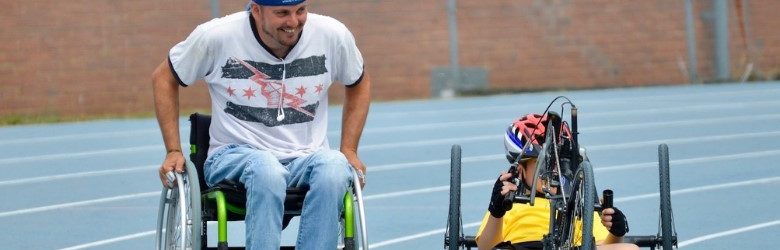
    portrait of David smiling in his wheelchair

    • Three-year-old Felicity has undiagnosed genetic conditions which the doctors think cause all of the different problems she has. She has three brain conditions, is visually impaired, has reflux and epilepsy. Felicity also has twitches every day that cannot be controlled by medication. Due to the complexity of her conditions, she needs 24-hour care.

    “It’s just incredible what David has put himself through. He’s an inspiration for everyone – able and less able.” – Felicity’s parents.

    • Four-year-old Emerson developed a cyst on his spine when he was just two years old which paralysed him from the waist down. He lost all movement in his lower body and is unable to walk.

    “David has been such an important part of Emerson’s journey so far. He’s been a real inspiration and a great role model for Emerson.” – Emerson’s parents.

    “I knew going into this event that it would be the biggest, hardest, most daunting challenge of my life, “says David.  “Physically I’m exhausted, I’m beaten up and broken down from day after day of pushing over 26 miles with no time to recover and reboot. Mentally it’s been a roller coaster of days when it’s been tough and days when it’s been even tougher – those are the days when I had to really dig deep and just keep going.”

    “But failure was never an option and at the end of the day I kept reminding myself why I was doing it – for LimbPower and for Felicity and Emerson.”

    “I was told – over and over again – that pushing 30 marathons in 30 days in a wheelchair was impossible. And I agreed. But I did it anyway.” said David.

    To support David in this epic challenge please make a donation at:

    https://www.justgiving.com/fundraising/dw30in30

    For further information please contact:

    • David Williamson on 07850 544637 or email irishego@gmail.com
    • Kerry Munroe at LimbPower on 07798 780533 or email kerry@limbpower.com

    If you would like to feature as our ‘Story of the Month’ on Disabled Living’s blog, please get in touch with us via info@disabledliving.co.uk

  • The Benefits of Technology for Disabled People

    The Benefits of Technology for Disabled People

    ‘Technology is only beneficial if it is accessible to the user’. Over the years, companies have worked harder than ever to ensure that anyone can use their products. In the past, the elderly and disabled have had reason to believe that technology was out of their reach. For some, it was because there weren’t features that could assist them. For others, it was because there was a lack of understanding as to how the use of technology could benefit them. Fortunately, there are now some admirable pieces of technology for disabled people that are easier to use than ever.

    When talking about using technology to assist disabled people, there’s a whole range of products to consider. There are mobile phones on the market that can help people with a variety of disabilities and there are computer keyboards that anyone can use. Vast advancements have been made to ensure that no member of society feels unable to use technology.

    There are so many pieces of technology that benefit people with completely different requirements. The key to success is having the right technology for each individual. Here are just some ways disabled people can benefit from technology.

    Digital assistants

    There has been an increased use of digital assistants in homes throughout the UK. These ‘assistants’ answer to the names of Siri, Alexa, and Cortana. They are voice controlled devices that have been designed to lighten the workload of an individual. They are programmed to become more intuitive over time as they become used to different commands that they are presented with. By being voice activated, users with physical disabilities can find themselves some ease. These devices can control lights, televisions, and more. According to Helping Hands, they will never be able to replace the human touch of carer but they can be a very valuable home assistant.

    Ergonomic keyboards

    Communication is incredibly important regardless of the level of disability. Everyone needs to feel connected. There are so many different platforms available for staying in touch. Mobile phones allow people to speak to each other but laptops and computers enable users to stay in touch over email or video calls. For some, however, typing proves to be an impossibility. Suffers with Repetitive Strain Injury (RSI) have been excluded from using an accessible keyboard. Fortunately, there are fantastic alternatives. PCD Maltron have available a brilliant ergonomic keyboard that allow users to feel relief while on the computer.

    Smartphone apps

    There are enormous amounts of apps available to use on mobile phones. With mobile phones that are accessible to people with disabilities, there is an array of assistance available. There are apps that can be used to remind people to take their medication or to highlight when their next doctor’s appointment it. Wheelmap shows all of the wheelchair accessible places in the world and HearYouNow amplifies sounds so that conversations can be heard more clearly. Perhaps even more impressive, there is an app called MagicCarpet, enabling users with the counterpart software to engage with interactive displays and learn in unique ways. BEMyEyes is an app that connects visually impaired users to volunteer helpers who can aid with everyday tasks. The magnitude of apps available to use ensures that there is something for everyone.

    Everyday tasks

    When the everyday life of someone is made easier, it’s hard to argue against the benefits of technology. Computers, for example, have enabled users with limited mobility to shop online. They can now reorder medication and medical supplies and have it delivered directly to their door. If users have limited eyesight, there are fantastic products that can ensure that they have the same experiences. VisionAid have created desktop magnifiers and extendable monitor arms to combat the issue. There is software that reads text from the screen for people who suffer with dyslexia. Technology can give disabled people greater autonomy over daily life because online technologies are more accessible than the real-world alternatives.

    Medical assistance

    Technology is pivotal in modern times to assist with medical issues. There are many practical reasons for someone with recurring health problems to get used to a mobile phone or laptop. Connecting with health professionals via email enables people with disabilities lessen their dependence on others. Most mobile phones come with health trackers (Google Fit and Apple Health). However, there are more sophisticated apps that can help with harder to manage illnesses. Qardio have created a smart blood pressure monitor that connects to your mobile phone. For disabled people with limited movement, this technological advancement ensures independence and gives the option to take charge of a difficult situation.

    People with a disability should not feel excluded or left behind when it comes to technology. Find the most suitable options and with practice, the benefits can be bountiful.

    This is a guest post written by Leanne White.

    You might also like our ‘Call Handling for Technology Enabled Care‘ course.

  • Cerebra Innovation Centre Wins Prestigious St David Award

    Cerebra Innovation Centre Wins Prestigious St David Award

    This post has been written by Cerebra on behalf of Disabled Living.

    The Cerebra Innovation Centre (CIC), a partnership between Carmarthen based charity Cerebra and the University of Wales Trinity Saint David (UWTSD), has won a prestigious award for Innovation, Science and Technology Award at the annual St David Awards ceremony organised by Welsh Government.

    Cerebra Innovation Centre is a team of engineers based within UWTSD’s Swansea College of Art. They design and build innovative, bespoke products to help disabled children to discover the world around them. Their designs are desirable and exciting as well as functional, promoting social inclusion and peer acceptance for the children they help. Products and advice are provided to families free of charge.

    The St David Awards are the national awards of Wales and are nominated for by the public.

    Now in their sixth year, the Awards offer the opportunity to celebrate the nation’s most inspiring and talented people, and to give them the national recognition they deserve.  The finalists and winners are decided upon by the First Minister of the Welsh Government and his advisers.  The winners of the nine St David Awards categories were announced at a special ceremony that took place in the Senedd in Cardiff on March 21st.

    “The CIC team are so proud to have won the St David Award!” said Dr Ross Head, Product Design Manager, CIC. Our jobs give us so much satisfaction; to be able to help children access activities that most people take for granted is a great privilege but to be recognised nationally for our work is simply amazing. A huge thank you to all of the Cerebra staff and our supporters, without whom we would not be able to fund this work. We believe that, with a little bit of help, anything is possible – I hope that winning this award will pave the way to helping many more children across the UK.”

    Tracy Elliot, Head of Research and Information at Cerebra added:  “We are delighted to have won the St David Award 2019 for Innovation, Science and Technology.  We believe passionately that the young people we support should be able to take part and participate fully in society.  We develop innovative and, above all, fun solutions to the problems and barriers parents raise with us. Our designs aim to reduce some of the social stigma attached to disabilities by making not only functional but beautiful products that enable our young people to participate in activities that are too often closed to them.  We aim to demonstrate what can be achieved with the right attitude and support and hope that by winning this award some of our passion and belief will influence others.”

    Ross and the team develop logical, innovative and fun solutions for children with brain conditions.

    Their designs aim to reduce some of the social stigma attached to disabilities by making not only functional but also beautiful products for amazing young people. Some of their products are ‘one-off’ bespoke designs, others are made in small batches and some are designed with the commercial market in mind.

    The ethos of CIC is simple – if they can dream big, they can do big. Never accept it’s not possible. The Team have designed lots of equipment to help children in disabilities participate in activities such as surfing, horse riding and even triathlons. Last Autumn CIC helped six-year-old Imogen, who has cerebral palsy, reach the top of south Wales’ highest mountain in a specially modified four wheeled mountain bike.

    Imogen’s mum, Catherine, explained the difference the team have made to her family:

    Imogen was so thrilled and excited to have completed the climb. It’s only thanks to the team at Cerebra that she’s been able to have this adventure. She’s never been able to do anything like this before because of her cerebral palsy. There have been so many times that she hasn’t been able to join in with physical activities which leaves her feeling left out. Being able to do things like this is a real boost to her confidence and self-esteem. We really are over the moon that CIC have won this Award.

    Professor Ian Walsh, Dean of UWTSD’s Swansea College of Art is extremely proud of the team, adding: “The University is delighted that the Cerebra Innovation Centre has won such a prestigious award. The innovative and inspirational work of the Centre has transformed countless lives over the past 15-years”.

    For more information on Cerebra and the Cerebra Innovation Centre, please visit www.cerebra.org.uk

  • Summer’s Story of Life with Spina Bifida

    Summer’s Story of Life with Spina Bifida

    January’s Story of the Month has been written by Shaun Finlay from Hastings. He tells us the story of his daughter’s life with spina bifida.

    Summer was born with a hole in her spine. Her nerves were all exposed causing her to be paralysed from her chest down. This has resulted in her now being a full-time wheelchair user, double incontinent and very reliant on those around her for daily support.

    On top of this she was also born with Hydrocephalus (extra fluid on the brain). This is controlled by a ‘shunt’ which drains the fluid from her brain down to her belly. It is essentially a valve, which is programmed using magnets, to control the amount of fluid to be drained. Unfortunately this means she must avoid heavy magnetic fields, e.g. airport scanners, MRI scanners, as they can adjust the setting of the shunt.

    With all of these diagnoses, she has had to deal with much more than the average 6 year old. Currently she has had 4 brain surgeries, 1 major spinal surgery, multiple bladder surgeries and regular scans and check-ups, most of which are done in the Evelina Children’s Hospital in London. She also has many more operations planned for her future, including a full bladder reconstruction.

    Fighting for Summer’s needs

    As a family we often have to fight on Summer’s behalf, for equipment and services that she should be entitled to and should be receiving as standard. For example; when Summer was just 2 ½ years old, her consultant in Evelina recommended she have a wheelchair for her own independence and self esteem. However, her local wheelchair service declined. This then bought our first big fight for her!

    summer practicing moto cross

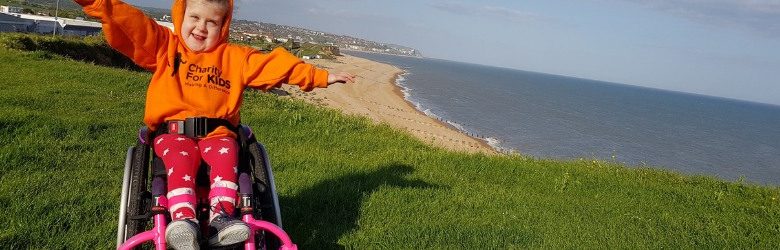
    We were very lucky to come across a small local charity (Charity For Kids) who were able to fund a Quickie Youngster 3. This is a lightweight wheelchair that suited all of her needs. Since then the charity has assisted in the purchase of further equipment which was declined by the NHS, including physio equipment and her 2nd wheelchair, a Ti-Lite Twist. The local community also pulled together to raise money for a specialist bed for Summer, again cementing our faith in the community spirit of Hastings.

    All of this obviously takes its toll on Summer and the whole family, however to meet Summer you would never guess! She is a very bright and cheery little girl, who loves unicorns, fairies and princesses. Summer has an extremely kind and caring nature. She is one of the most selfless people I know, regularly engaging in charity events to ‘give back what they have given’. She is currently training with her dad for her 1st half marathon! Summer is a big personality in the local community, spreading joy and smiles everyday.

    Summer’s favourite hobbies and activities

    summer group photo smiling

    Despite her obvious challenges, Summer loves to join in playing with her peers and is involved with an inclusive cheer group, performing in shows and events. She has recently begun ballet, with the prospect of shows and dance exams in the near future and also involves herself with local charities attending events and raising funds to support others. To date, Summer (with help from family and friends) has raised nearly £10,000 for charity and has more planned for future events.

    When she isn’t dancing, Summer has a daredevil streak within her. Having discovered para-athlete Aaron Fotheringham on YouTube, Summer has been interested and involved in WCMX (wheelchair moto cross). She has followed her older brothers and taken her wheelchair to skate parks and ramps and also to BMX pump tracks. Although she finds it rather daunting and scary to start, she loves the thrill of speed and pushing herself and her chair to its limits.

    Her WCMX dreams came true in June 2016, when she got to meet Aaron. Nitro Circus (who Aaron performs with) were performing in Sussex. Aaron invited Summer to have VIP tickets to watch the show and meet with Aaron afterwards. Here, Summer watched him do his back flip in his wheelchair, off a 50ft ramp! Summer said to her mum and dad, “I want to do that!”

    What we love the most about Summer

    Any parent would agree that, every achievement your child makes will make you proud. As a parent of a child with additional needs those achievements can be very different. With Summer’s paralysis and the challenges that come with that, her sheer determination and perseverance inspires us, her friends, peers and everyone she meets. This was recognised last year when Summer was awarded with the ‘Gold Award’ at the ‘2018 Child Of Sussex Awards’ in Brighton. Today, it’s still a huge highlight in her life. And it gives her the recognition of the brave, strong and amazing little girl she is.

    summer receiving her award

    In the six years of her life, we have become more than just parents. We have become carers and nurses to her, advocates for hers and all disabled rights. We have become specialists in her conditions and a voice to stand up for her rights and needs. This is part of the ‘behind-the-scenes’ of parenting a child with extra needs, which no one ever tells you about. But we wouldn’t change a thing!

    You can follow Summer’s Story through social media on Facebook, Twitter and Instagram using the links below.

    www.facebook.com/summers.story1

    www.instagram.com/Summers.story1

    www.twitter.com/summersstory1

    Does your child have spina bifida? If you would like to submit a story to Disabled Living’s blog please send an email to: info@disabledliving.co.uk

  • Playtime for Children with Disabilities

    Playtime for Children with Disabilities

    This post has been written by Special Kids all about the senses that children with disabilities develop during playtime.

    When you think about childhood, you probably think about the nostalgic memories of days spent playing with dolls, building blocks, and jigsaw puzzles. A magical time where your imagination was able to run riot while you developed skills such as problem-solving. For some of us, playtime was likely to be random – no set time, toys, or routine; however, children with disabilities, are likely to prefer structure when playing. Why not set play time aside for your child to fit into their existing routine?

    Playtime allows for the exploration and development of the senses; children with disabilities can quickly become overwhelmed by the senses; the structure can help to ease discomfort.

    Creativity

    Ah, painting, who didn’t enjoy creating mini masterpieces when they were kids? Painting,
    drawing, and creating things with playdough can help children become comfortable with
    different textures as well as developing their knowledge of colours and shapes. Art based
    activities allow your child to express their feelings and imagination which can help to make
    sense of the world around them and communicate their understanding of it.

    Problem solving

    Problem solving is a crucial skill to develop throughout childhood and adult life; activities that encourage this skill make it fun and engaging rather than challenging and confusing. Take the classic jigsaw puzzle; all the pieces have to fit a certain way. Although jigsaws are an excellent way to solve a problem, it is useful to play with things such as building blocks too, as this can show your child that there are more ways than one to solve problems as there isn’t always a strict way to build or not to build something.

    Sound

    Sound doesn’t have to be overwhelming for children with disabilities; it can be soothing.
    Whether this is something familiar such as music from the TV shows your child watches
    or a bedtime nursery rhyme. Why not make music a part of play time? Children’s glockenspiels can be an excellent way for your child to experience sound while
    improving memory by learning a song.

    children's soft butterfly toy

    Comfort

    We all want our child to feel as comfortable as possible. When learning new things and
    developing skill comfy clothing is essential. Think about it, none of us would get into bed wearing uncomfortable clothes such as jeans; we would wear pyjamas, so why should this idea of comfy clothing not be a part of day to day life for your child? Our Wonsie’s and bodysuits are great for playtime – not only are they made with soft, non-irritable material, they are also stretchy so that movement is effortless. We have a range of products for different needs; not only do we stock clothing, we also offer accessories, bibs, and bedding. We believe that quality is paramount. All of our products are designed with care.

    Raising awareness and providing solutions

    Since 2014, we have had the fantastic opportunity to be a part of the Kidz Exhibitions. They have created an environment that is both welcoming and supportive. Through their several yearly events, they provide a platform to raise awareness for children with various disabilities, and we are proud to be a part of it. We’ve met so many new people at their events who keep coming back and are pleased to say that we will be exhibiting at Kidz to Adult North this year on Thursday 8th November. And we can’t wait to showcase our new and existing range.

    We are delighted to have been given the opportunity to guest blog for Kidz to Adultz North. And to say thank you, we invite you to check out our adaptive clothing range and use the code NEWCUST10 for a discount. Why not sign up to our newsletter too for updates and offers.

  • Home and Life Modifications for Disabled Parents

    Home and Life Modifications for Disabled Parents

    This is a guest blog written by Ashley Taylor. She offers her advice on the challenges that disabled parents can face. 

    Having a baby is one of the most exciting times in a person’s life. You’re getting to know a new person who depends on you completely. And they will grow up to be an independent human being. How amazing is that? If you have a disability, parenting comes with an extra bit of challenges that you have to learn to overcome. But you can. And you will!

    If you have a disability, you’ve likely already modified your home to accommodate your needs. But with a baby on the way, you’ll probably need a few extra accommodations. You might need to make extra modifications to your home and life so you can get around with a baby in tow.

    Consider consulting an occupational therapist. OTs are especially trained to help people live their lives independently. An OT can take a look at your life, your abilities and needs, and she can work with you to help make modifications or give you special exercises that can help. She can also recommend new ways to handle child care that you might not have thought of, such as ways to put baby in a car seat or adaptive ways to carry the baby.

    Hire a contractor

    Look for a contractor who is experienced in home modifications for people with disabilities. A contractor with experience in disability modifications can discuss your needs with understanding and work with you on what needs to be done. You may need extra ramps to get in and out of your home, expandable hinges for doorways, skid-resistant flooring or more.

    Paying for it

    Many states, cities and organisations offer grants and special loans for people with disabilities to get modifications made in their homes. You can also have fund-raisers and ask friends and family for help in getting ready for baby. If they can’t pitch in money, they might be able to offer their elbow grease and potential babysitting.

    Adaptive furniture

    baby's room with clothes

    You’ll need a crib, stroller, changing table and more. Luckily, there are more options these days than ever before for adaptive parenting. You can find bassinets that attach to the side of your bed, cribs with side-opening doors, adjustable cribs and baby beds and even strollers meant for parents with disabilities. You can even consider hiring someone to adapt a piece of furniture for you, or find a non-profit that can help you for free.

    Ask for help

    Nobody can raise a baby on their own without the help of others in their lives to offer support and encouragement. So, don’t be afraid to ask for help if you need it. You’re responsible for another person’s life. So being a martyr isn’t going to help anyone. Ask your family, friends, other parents or anybody who can help you get what you need. Your baby is worth it.

    Once you have your baby in your home, you’ll be amazed at how she will change your life. Yes, you should be prepared to get little or no sleep and experience the same stress that other parents endure while raising a child. But the love you’ll have for your little one will knock your socks off. You’ll be so amazed at your child’s ability to bring out the best in you, that you won’t remember what it’s like to not be a parent. Watching your little person grow into an independent adult will remind you that life is amazing. And you won’t want to miss a single second of it.

    For more stories like this please visit the Disabled Living blog. Or if you would like to share a story of your own offering advice to disabled parents then please contact us via email: info@disabledliving.co.uk

  • 5 Top Tips for Travelling with a Disability

    5 Top Tips for Travelling with a Disability

    This blog post has been written by Michael Morris from InsuranceWith. He shared his top tips with us on travelling with a disability.

    As summer is quickly approaching, it might start to conjure up images of jetting off abroad on holiday. However, having a disability can mean there are further steps needed before you book your tickets. Travelling the world doesn’t have to be difficult, especially not with these top five tips for making it as simple as possible.

    1. Choosing suitable accommodation

    Although it may sound obvious, it can be easy to overlook the finer details when it comes to finding the right place to stay. One of the major aspects to consider before booking a room or villa is checking the building is accessible for your disability. This could be having handrails or a ramp installed. However, there are also several other building requirements that need to be considered, such as their bathroom facilities and emergency exits. Some sites offer the chance to filter hotels by their disabled facilities. Other times, it may be a case of contacting the hotel or checking the reviews.

    2. Think about healthcare

    Your doctor, local embassy, or insurance provider may be able to offer numbers of local healthcare centres before you head away. Getting to know where you can get emergency treatment will be a weight off the mind before heading away as you will know precisely where to go should anything happen. Plus, it may be a good idea to carry medical documents with you while out and about, such as your medication list or treatment you have been receiving back home. That way, the medical team will know as much of your history as possible.

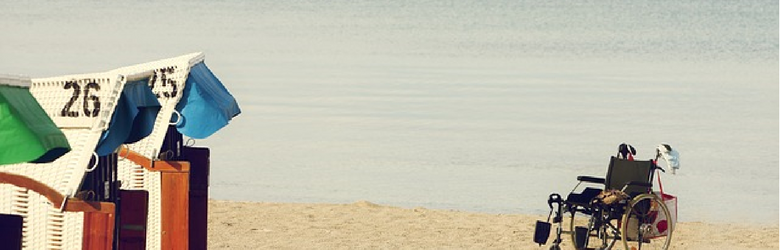
    man in wheelchair on the beach

    3. Get the right insurance

    Travel insurance can be an aspect of travelling that is easily forgotten about. Many times we are lucky enough not to claim, but sometimes things are out of our control. Did you know it could cost up to £45,000 to be medically evacuated from the US? With travel insurance, you won’t have the worry of covering the costs. Although it may be tempting to leave any pre-diagnosed conditions off the form to keep the costs down, it’s essential to be as honest as possible. Now it’s time to sit back and enjoy your trip without the worry of extra expenses.

    4. Disabled-specific travel agents

    It could be time to think about a travel agent that specialises in disabled travel. For example, Limitless Travel offers several tours of Europe that are all designed with your needs in mind. From staying in the UK to heading abroad, there are a whole host of opportunities to be explored without the worry of finding suitable locations yourself. These aren’t the only agents either. Several others offer up flight or adventure packages that can all be tailored to your needs. These can take away the stress of planning and leave more time for you to enjoy your travels.

    5. Travelling with medication

    If you need to take regular medication, have you checked what medicines you can and can’t take with you into another country? Plus, you may need to follow instructions such as keeping all medication in its original packaging or only being allowed to carry a certain amount with you. Plus, if your medicine needs to be kept at a specific temperature, you may need to invest in a cool bag or insulated pouch. Just make sure to check with the airline before you travel to ensure you won’t encounter any difficulties when you arrive for your flight.

    Having a disability doesn’t have to mean travelling around the UK or even abroad is out of the question. Perhaps you have some top tips of your own that you have learnt from your travels? Be sure to leave them down in the comments below!

  • The Importance of an Active Lifestyle for Disabled People

    The Importance of an Active Lifestyle for Disabled People

    At the end of October we introduced Ben Andrews to you and told you why we thought he was deserving of our Story of the Month. Since then, Ben has started a whole new project which involves his series of videos, ‘Breaking Barriers’. These look at topics such as, transport as a barrier to an active lifestyle for disabled people and supporting disabled people with exercise. We thought this would be a worthwhile opportunity for Disabled Living to talk to Ben about his story and what it means to help disabled adapt a more active lifestyle.

    Can you tell us about Empower’s story?

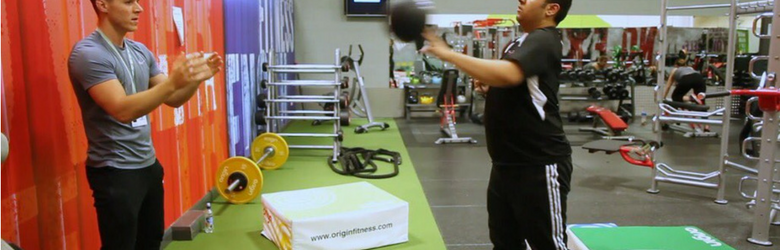
    I started working on Empower when I was 17-years-old. I gained my Level 2 Gym Instructor qualification and started supporting family members with visual impairments at the local gym. I often thought that, there’s got to be more people in this position with a disability who could benefit from increasing their fitness but might need some support to do so.

    So I started volunteering around Salford, delivering health lifestyle sessions for people with a range of disabilities; wheelchair users, people with learning disabilities, deaf people and people with hearing impairments and got a real feel, and buzz, for adapting sessions to meets people’s needs. I also assessed what was available for disabled people to keep active and found there to be a real lack of opportunities.

    library bookshelf

    I tried to put a report together at about 19-years-old to state a case for a disability specific gym instructor. I’d never written a report. It had no rationale, no evidence base, and I wasn’t really sure what to do with it so unsurprisingly it didn’t go anywhere. But I knew what I wanted to do and why, so I didn’t give up on it.

    Knowing I’d need more knowledge and experience to make this work I approached Salford University and explained my plans and was granted access onto an Exercise and Health Sciences degree. I used my time at Salford University to research my field, with a particular emphasis on disability, exercise and the heightened prevalence of long term conditions for this demographic.

    By the time I left University I was able to articulate a clear case as to the importance of disabled people leading healthy, active lifestyles. Luckily enough, NHS Salford CCG had just released an Innovation fund to pilot new ideas to improve the health of Salford residents with one of there target groups disabled people. Being right up my street, I compiled all of my personal and professional experience along with my academic learning into a bid and submitted it. Since 2015 NHS Salford CCG has funded the Empower project, with the aim to support disabled people to lead more active lifestyles.

    Gordon - Empower Health

    What does working for Empower Health mean to you?

    Even though I’ve only been contracted to deliver it over the last 2 years, it’s been a massive part of my life for coming up to 9 years now. So it means a lot to be able to do something I’ve wanted to do for so long and worked so hard towards. This is something I’m passionate about; I couldn’t imagine doing anything that doesn’t support disabled people to lead healthier lifestyles in some way so I’m very grateful for the opportunity.

    I’m grateful that NHS Salford CCG has been innovative enough to see the benefits of this type of initiative and that Unlimited Potential have supported the project through incubation to allow me to secure funding and deliver Empower whilst ensuring that the project grows and develops in the way that it should.

    What inspired you to get into this area of work?

    I suppose first off growing up around disability has given me a bit of a different mindset and perspective on what disability is and the barrier society presents. It’s something that families have always overcome and I’d hope to support others to do so.

    Mike and Ben - Empower Health

    Secondly, I don’t think its right that anybody should be at any worse odds health wise based on something they have no control over. Disabled people face massive health inequalities and in many cases it’s not down to the actual disability but due to the barriers disabled people face when trying to manage their health. For example, there is no physiological reason that people who are blind should be overweight or obese, but they are at increased risk of being, due to the lack of opportunities they have to maintain a healthy weight through activity.

    Finally, and from my point of view the most important, I hope to change perceptions from both non-disabled people and disabled people. From my experience, both in many cases don’t acknowledge that disabled people can keep active and lead healthy lifestyles. It feels like there’s an expectation that disabled people cannot be healthy or active, so there’s no planning in place for them to do so. I’d hope that by creating a platform to showcase disabled people keeping active and exposing both groups to this, that over time, this perception will change and it’ll no longer be an afterthought.

    What advice do you have for people with disabilities that want to get more active?

    I’d say look for local opportunities, not always disability specific, mainstream integrated groups, activities and venues. Services have a duty to make reasonable adjustments to accommodate your needs and it’s important that you exercise this to support a healthy lifestyles.

    There are loads of barriers, which will affect this which I’m happy to talk about and give my tips and experience on overcoming these.


    Contact Ben

    Email: ben.andrews@unlimitedpotentail.org.uk

    Twitter
    Instagram
    Facebook

Disabled Living