Tag: Accessibility

  • Angela’s Accessibility Training at Manchester Airport with TryB4UFly

    Angela’s Accessibility Training at Manchester Airport with TryB4UFly

    This post has been written by Angela Christian, one of our Occupational Therapists at Disabled Living. Angela took part in some training by Graham Race on Wednesday 23rd May 2018 at Manchester Airport with TryB4UFly. Function Specialist, Ashley Horsfall and Customer Experience, Susan Dean were also present from Manchester Airport.

    Manchester airport tour

    Assistance Lane at Manchester Airport

    Manchester Airport contract work to OCS, to support their passengers needs throughout the journey from the car park, during the airport and when accessing onto the Aircraft.

    At all the main entrance points; Passenger can locate an Assistance Point, where they can call for assistance from OCS staff who responds in person within 15 minutes maximum.

    Prior to checking in passengers with physical or hidden disabilities can locate the reception point for assistance, where they can wait in quiet area before check in. Passengers can get help to with check in and board via an Assistance Lane.

    Hidden Disabilities

    green and yellow sunflower landyard
    Landyard

    Reception points can provide a special lanyard (Green with Sunflowers) which informs staff members and airline companies that a passenger has additional support needs. The lanyards can be collected from Reception Point for Assistance. This allows passengers to use assistance lanes when boarding and also priority and family lanes at security.

    Reception Point for Assistance Terminal 2

    airport reception point for assistance

    Manned desks at the reception points are available (Terminal 2 above). These are centrally located near shops and restaurants and if passengers want to shop or eat, there is no need to stay in one place. The OCS staff use Customer Call to locate Passengers when its time to board, staff will buzz to locate Passengers ready to board.

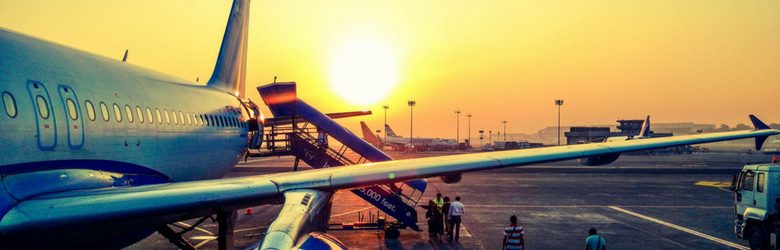
    plane at manchester airport
    Ambulift

    OCS support passengers throughout their journey from the car park, throughout the airport and when accessing the Aircraft, via the use of the ambulift, Eagle Hoist or other transfer aids.

    Disability and Toileting

    Equipment provided in the Manchester Airport Changing Places above.

    • Overhead full room coverage hoist system

    IMPORTANT: Sling not provided

    • Mobile hydraulic height adjustable changing bench
    • Wide tear off paper dispenser
    • Privacy screen
    • Peninsular conventional close coupled WC with grab rails and support arms
    • Electrical height adjustable sink.

    Manchester airport currently have a transformation plan, to improve airport facilities for people with special needs. Passengers will see an increased number of changing places; air side and land side, more central assistance points. Dog assistance areas, sensory/quiet rooms, first aid rooms, new assistance points and more.

    Useful resources

    Manchester Airport – Special Assistance 

    Seat Guru

    TryB4UFly

    Accessible Tourism

    Enable Holidays

    Accomable

    Mobility Equipment Hire Direct

    Travel advice with a mobility aid

    BHTA – Air Transport Advice

    Flexel Mobility

  • SeatPlan Help You To Find Accessible Theatres in the UK

    SeatPlan Help You To Find Accessible Theatres in the UK

    This post has been written by Laura Kressly for Disabled Living.

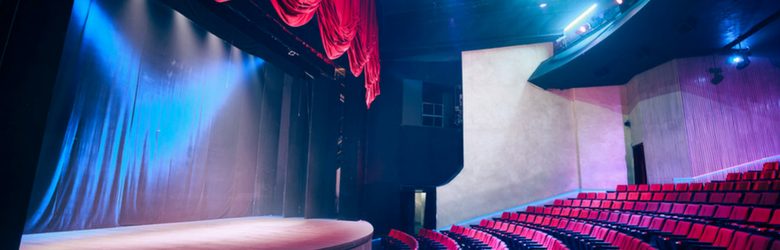
    Commercial theatres aren’t known for being access friendly, but this is finally starting to change due to a shift in attitudes. Unfortunately, theatre buildings struggle to keep up.

    Many buildings in London’s West End are old, including most of the theatres. They date to Victorian times or, in some instances, are even older than that – the fourth version of the Theatre Royal Drury Lane was built in 1812, seven years before Queen Victoria was born. Historical buildings are notoriously bad for access, and with many of the biggest and best theatres in the country having listed status, it can be difficult for people with access and mobility needs to go to the theatre.

    Fortunately, theatre owners and managers are aware of the need to improve in this area and are doing what they can to install access provisions around budget and planning restrictions. With growing awareness of these building’s power to exclude non-disabled audiences, there have been a lot of recent changes. It’s now normal for theatres to have infrared hearing systems, access performances, removable seating, downloadable visual stories, dog-minding services and staff specifically trained to support theatregoers with access requirements. When building regulations allow, ramps and lifts have been installed, as have low-level service counters.

    But it’s still not perfect…

    Theatre seating is usually spread over several levels, and many venues are unable to install internal lifts. Main entrances often have at least a few steps. Most theatres request that patrons with access requirements notify the venue in advance, and arrive at least half an hour early. Some theatres don’t even have adapted toilets.

    This means that theatregoers have to take on much of the responsibility of arranging the logistics of their theatre trips and ensuring their access requirements are met well in advance of the performance date they want to attend. Every building is different and access provisions vary across theatre land, so prospective audiences need to conduct a lot of research to find the information they need. Whilst most West End and large regional theatres have access information on their websites, if you are considering seeing different shows at different venues this is a time consuming process. Search results tend to cater towards outlets selling tickets rather than providing comprehensive information about the whole theatre-going experience, so locating information for each venue you are considering booking tickets for takes a long time.

    Access pages on SeatPlan

    Because of the lack of comprehensive theatre access information for the West End in one place, theatre website SeatPlan added an access page to each of their venue profiles. The site lists all of the major West End theatres, and many regional ones. They provide detailed descriptions containing entrances, numbers of steps, whether or not there are lifts and so forth. There is also contact information for the access teams at the theatres.

    These knowledgeable staff members will be able to provide you with all necessary information relating to your access requirements and assist you in booking appropriate tickets. They can also advise on the availability of touch tours, audio description, captions and BSL interpreted performances. Some shows also schedule relaxed performances, which are suitable for people who may experience over-stimulation, or have ASD or other learning difficulties.

    So whilst theatres have much to do in order to increase accessibility further, they are taking steps in the right direction. Independent resources like SeatPlan also help by making the process quicker and more streamlined. The theatre industry as a whole is finally waking up to their accessibility shortcomings so change is fortunately afoot.

  • Exploring the British Countryside from a Wheelchair’s Seat

    Exploring the British Countryside from a Wheelchair’s Seat

    This post has been written by Lucy Wyndham for Disabled Living.

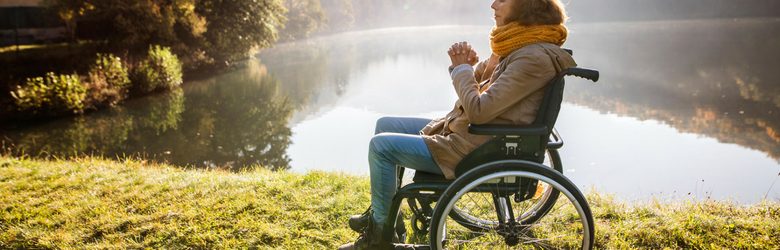
    England has a countryside that is both beautiful and accessible. Though many worry about wheelchair accessibility, in recent years numerous innovations have made exploring the British countryside easier than ever. While many have adapted the natural landscape to be easier to navigate, others still have used ponies and other tricks to do the same without damaging the local landscape at all.

    From the north

    Exploring the natural environments of Britain can mean seeing some of the oldest and grandest historical sites, from the two-thousand-year-old Hadrian’s Wall to ancient and Danish architecture along the countryside of Northumberland. The rolling hills and fields of Britain are considered iconic, providing a natural experience that both old and young alike enjoy.

    It is no boast to say the natural environments draw many. Film crews for movies as famous as Harry Potter and Downtown Abbey have rented vast swathes of land to place their viewers in a location with an otherworldly atmosphere. In Northumberland, home to Britain’s most northern park, tourist information centres offer accessibility information, and all local trains have been adapted for wheelchair accessibility.

    Meanwhile, the areas historic value means that many existing buildings offer an excellent look into the area’s past, such as the Roman Army Museum. The museum is right next door to Hadrian’s Wall itself and provides many opportunities to go outside and explore the local landscape on your own behest to see historical ruins and structures in their native environment.

    To the south

    Meanwhile, in the South Downs of England, some people have taken an innovative and different approach. To avoid pouring concrete or other nature destroying materials, they’ve begun offering a service that pulls wheelchair users in chariots designed to take them up even rocky slopes. This gives wheelchair owners access to a nearly one-hundred-mile trail through nature.

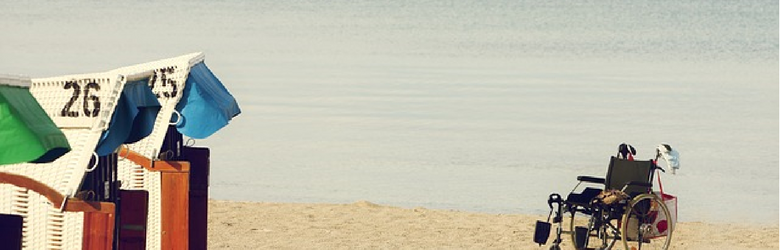
    Additionally, many beaches from Bournemouth to Brighton offer wheelchair accessible cabins and rental spaces. With the South Downs nearby and the Surrey Hills Area Of Outstanding Beauty just a little bit further away, there are plenty of options for lodgings close to nature and several wonderful places to see in the British countryside.

    Next time you consider where to take a nature-themed outing, consider the beautiful British countryside. You may prefer the accessibility provided by non-traditional means of transportation, like the proud ponies of the south, or the more casual accessibility offered by the parks and trains of northern Britain. Both of these and more offer unique ways to ensure that you have few reasons to believe disability can separate you from the great outdoors.

    You might also like…

    Have you heard of Mobility Solutions? They offer hundreds of mobility aids online and instore.

  • 5 Top Tips for Travelling with a Disability

    5 Top Tips for Travelling with a Disability

    This blog post has been written by Michael Morris from InsuranceWith. He shared his top tips with us on travelling with a disability.

    As summer is quickly approaching, it might start to conjure up images of jetting off abroad on holiday. However, having a disability can mean there are further steps needed before you book your tickets. Travelling the world doesn’t have to be difficult, especially not with these top five tips for making it as simple as possible.

    1. Choosing suitable accommodation

    Although it may sound obvious, it can be easy to overlook the finer details when it comes to finding the right place to stay. One of the major aspects to consider before booking a room or villa is checking the building is accessible for your disability. This could be having handrails or a ramp installed. However, there are also several other building requirements that need to be considered, such as their bathroom facilities and emergency exits. Some sites offer the chance to filter hotels by their disabled facilities. Other times, it may be a case of contacting the hotel or checking the reviews.

    2. Think about healthcare

    Your doctor, local embassy, or insurance provider may be able to offer numbers of local healthcare centres before you head away. Getting to know where you can get emergency treatment will be a weight off the mind before heading away as you will know precisely where to go should anything happen. Plus, it may be a good idea to carry medical documents with you while out and about, such as your medication list or treatment you have been receiving back home. That way, the medical team will know as much of your history as possible.

    man in wheelchair on the beach

    3. Get the right insurance

    Travel insurance can be an aspect of travelling that is easily forgotten about. Many times we are lucky enough not to claim, but sometimes things are out of our control. Did you know it could cost up to £45,000 to be medically evacuated from the US? With travel insurance, you won’t have the worry of covering the costs. Although it may be tempting to leave any pre-diagnosed conditions off the form to keep the costs down, it’s essential to be as honest as possible. Now it’s time to sit back and enjoy your trip without the worry of extra expenses.

    4. Disabled-specific travel agents

    It could be time to think about a travel agent that specialises in disabled travel. For example, Limitless Travel offers several tours of Europe that are all designed with your needs in mind. From staying in the UK to heading abroad, there are a whole host of opportunities to be explored without the worry of finding suitable locations yourself. These aren’t the only agents either. Several others offer up flight or adventure packages that can all be tailored to your needs. These can take away the stress of planning and leave more time for you to enjoy your travels.

    5. Travelling with medication

    If you need to take regular medication, have you checked what medicines you can and can’t take with you into another country? Plus, you may need to follow instructions such as keeping all medication in its original packaging or only being allowed to carry a certain amount with you. Plus, if your medicine needs to be kept at a specific temperature, you may need to invest in a cool bag or insulated pouch. Just make sure to check with the airline before you travel to ensure you won’t encounter any difficulties when you arrive for your flight.

    Having a disability doesn’t have to mean travelling around the UK or even abroad is out of the question. Perhaps you have some top tips of your own that you have learnt from your travels? Be sure to leave them down in the comments below!

  • Why We Love Ravenglass and Muncaster (And You Should Too!)

    Why We Love Ravenglass and Muncaster (And You Should Too!)

    Cumbria might not sound the ideal place for easy walks and accessible venues. There are challenging peaks, extensive lakes and frequent rivers leaving very few level spaces. But the coastal strip is a different matter with several little gems well worth a visit. And Ravenglass is my favourite!

    It’s a tiny fishing port with a huge enclosed natural harbor which originally attracted the Romans with its shelter for their galleys en route to the Scottish wars.

    The village is tiny. There’s one wide street with quaint cottages either side, many signed – Post Office, Reading Room, Station House and so on. They have relics of the past like the ancient petrol pump.

    There’s a large central car park, well disguised, with plenty of blue badge parking, from which there are smooth paths to all parts of the village which you can explore to your hearts content.

    Driving to the car park you will have already seen the boats at anchor in the bay and now you can actually access the beach at the end of the village down the concrete slope provided for the boats. The beach here is rough but hard with sand and stones giving a decent level surface for a little exploration to admire the scenery check the tides and spot the abundant wildlife.

    Café

    After your exertions there are plenty of accessible cafes, pubs and restaurants to suit all tastes.

    Another path from the car park will take you to the miniature railway only minutes away. Admittedly this path is a bit of a push as it goes over the “proper” railway. So, you could drive round to the Station car park where you will find more blue badge parking.

    Now you can easily explore the Station, the trains, the shop, the cafe, and the museum. All of which are accessible with toilets. This used to be a proper working line taking miners a few miles inland to their work. It’s now a tourist route all the way with accessible carriages on the trains.

    Get a ticket then enjoy the beautiful scenic route which has several stops you can explore, particularly at the end of the line where you have to get off while they swap the locomotive from one end to the other before the return trip. You can explore for as long as you want and catch a later train. If you’re lucky you will see foxes, badgers and rabbits together with a wealth of bird life along the route.

    As if that’s not enough, back at base another smooth, flat path will take you to the remains of the old Roman Bath House once standing alongside the huge Roman fort (since demolished). This is a lovely undemanding walk with plenty of shade from the trees with views through to fields and to the sea. The remains are just alongside the path and can be reached on hard grass. Apparently these are the tallest Roman wall ruins in England.

    Muncaster Castle

    If you want to make a weekend of it then visit Muncaster Castle only a minutes drive away.

    They are very accessibly minded here. So, you can have fancy afternoon tea in the sumptuous castle, walk through the woods, around the gardens, see a falconry display, join in with the heron feeding maybe catch a medieval fayre. There’s something here for everyone. You can even rent an accessible cottage onsite.

    I can thoroughly recommend Ravenglass and Muncaster for any disabled person wanting a cracking day out (family optional).

    If this has whetted your appetite, you’ll need an accessible vehicle to get you there in the first place and to move around once there so why not contact Mobility Nationwide to find the perfect second-hand mobility vehicle for your needs.

    You can also view their infographic below:

    Mobility Nationwide

    Would you like to share your favourite accessible attractions on our blog? Send an email to: info@disabledliving.co.uk

  • How This Year’s Bluedot Festival Inspired and Entertained

    How This Year’s Bluedot Festival Inspired and Entertained

    Chris shares his experience at Bluedot festival. It’s that time of year again – festival season. Sun, rain, mud, huge crowds – what could be more exciting for a wheelchair user?

    Doesn’t immediately spring to mind as your best bet – acres of bumpy, tufty grass between car park and arena, maybe rain, sinking up to your axles in mud, no access to toilets, queues everywhere, can’t get anywhere near the bar or the burgers and generally getting trampled all the time by hordes of able bods rushing to the front who haven’t seen you way down there.

    A bit different from the image of sitting in a grassy field without a care in the world, listening to the gorgeous music, watching all your favourite groups! What could possibly go wrong?

    Muddy ground

    I’ve been out of touch for too long on this sort of scene – my first festival was Knebworth in the seventies and it really was all about sitting in a field all day. I remember queuing up for early morning entry with some of my fellow revellers, choosing a spot halfway up the hill with a brilliant view and not moving an inch until 2.00 am. the next day! Certainly wouldn’t advise that approach now.

    Well… worry not. This can all be sorted and a great time is there for the taking

    Consider Bluedot – a new festival based around Jodrell Bank. Besides three days of great music there’s a slant towards science with all the public facilities at Jodrell available, lots of temporary stuff as well, guest speakers, international links, demonstrations – all themed around us (the Bluedot of earth from space), and all very accessible indeed.

    I could only go for one day and I knew who I wanted to see so I purchased my day ticket months ago. A very clear link on the festival website sent me to loads of accessibility info where I could download an email to get me a parking space near to the actual festival entrance and a free companion ticket if needed (I didn’t as my companion was unavoidably required elsewhere so I went ahead alone).

    Wheelchair sign

    In general, always head for the festival website itself first, don’t go to Ticketmaster, Ticketline etc. They will sell tickets to you of course but as soon as you look for accessible tickets or advice on accessibility or similar they will send you to the venue website, so don’t waste your time.

    So, the big day arrived. On reaching Jodrell Bank, I looked for the specific car park mentioned on the email, found it easily (very well signed) and then saw cars as far as the eye could see! Disaster! Miles to push on the grass! On my own! Oh gee!

    But no, on production of my email at the gate I was told to drive straight to the front where plenty of space was still being kept available next to the festival entrance. Every steward knew what to do.

    After a quick push to the entrance where my ticket was checked I was told to go the access reception tent to get a wrist band which would allow me access to the viewing platform and to the portable but accessible toilets. Wow!

    Whilst queuing at the access reception I then noticed lots of signage:

    • Did I want accessible camping? (died and gone to heaven – what consideration, and a first for me)
    • Did I want a quiet area for camping? (not really – but could work for some)
    • Did I want any help with hearing loops? (Maybe afterwards!)
    • Did I want viewing platform access? (Oh yes – bring it on!)
    • Did I need to know where the accessible toilets were located? (Absolutely!)
    • Did I want advice on types of food available, gluten free, vegan, vegetarian? (not my bag but I know it goes on)

    So now I can expect consideration over appropriate parking, a dedicated viewing platform, accessible toilets, low counters at the food and drink outlets – the list goes on and on.

    Disabled toilet sign

    Having relaxed, I wandered around looking at what was on offer. Hard, smooth grass and proper tarmacked paths made progress easy and good site planning meant you always seemed to have space. There was so much food and so many events. Eventually, I settled for a steak wrap and a coffee before wandering across to the viewing platform. There was plenty of help available if needed.

    There were accessible toilets behind the viewing platform itself so I chose my spot and settled in. Absolutely brilliant!

    Regular festival goers tell me I can find all these things around the country, and hearing impaired discos, silent discos, sensory discos… It’s all becoming mainstream now so don’t hold back.

    Bluedot was also very family friendly so the vibe was tremendous. Wandering around all day nobody gave me a second look. If I stopped somewhere passers by would occasionally ask if I needed help but not intrusively. It all felt relaxed and comfortable. I never felt isolated or out of place. Lots of staff and volunteers were available to help everyone, but no-one in your face.

    Next year I think I’ll just have to do the accessible camping – I owe it to myself!

    So, give it a try, it’s not all Glastonbury and the mud, what have you got to lose? If you spot a festival you fancy, go straight to their website and look for anything to do with access – a link, direct info, an email address, a phone number and follow it up. You owe it to yourself!

    Would you like to share your experience of an accessible festival with us? Get in touch by sending an email to: info@disabledliving.co.uk for the chance to feature on Disabled Living’s blog.

Disabled Living